
NDIS support workers help people with disability manage daily activities, develop independent living skills and participate in their communities. For participants looking for NDIS support workers on the Gold Coast, the right support can make everyday routines more manageable while respecting individual choices, goals and preferences.
Support worker duties vary depending on each participant's needs, NDIS plan, goals and agreed supports. Assistance may include personal care, household tasks, meal preparation, transport and community participation. At Aruga Āwhina, support is centred on nurturing relationships, dignity, consistency and helping participants build confidence in their daily lives.
What Is an NDIS Support Worker?
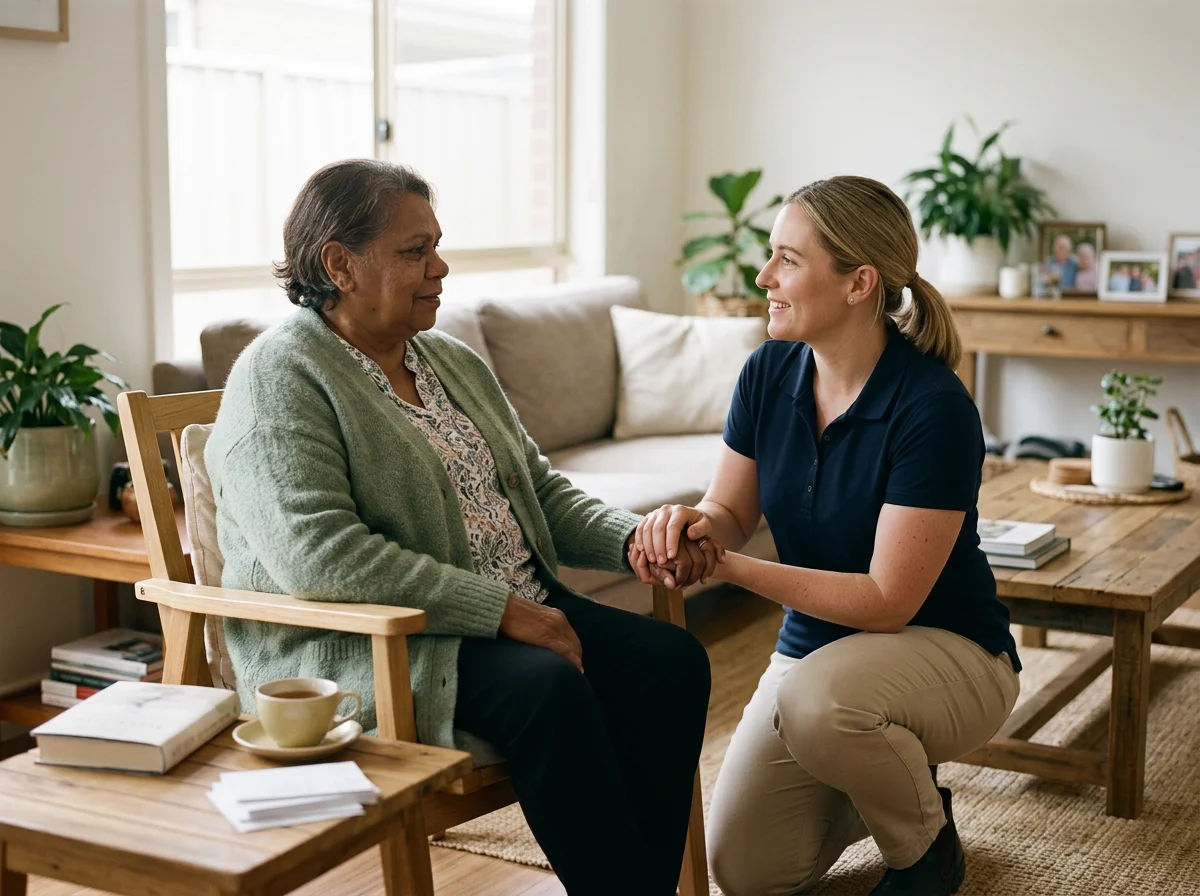
An NDIS support worker assists people with disability with everyday activities and personal goals. Their role is to provide practical assistance while encouraging participants to make choices, develop skills and maintain as much independence as possible.
Support workers may assist at home, during community activities or in other agreed settings, depending on the services provided. They work with participants to understand their preferences, routines and support requirements rather than assuming everyone needs the same assistance.
For people seeking personalised assistance, NDIS support workers on the Gold Coast can be a starting point for understanding the types of support available and how they may fit into everyday life.
What Are the Main Duties of NDIS Support Workers?
NDIS support worker duties depend on the participant and the services agreed upon. Common responsibilities include helping with personal activities, household routines, meal preparation, community access and the development of daily living skills.
1. Assistance with Personal Care
Personal care support helps participants manage personal routines with dignity and respect. Depending on the agreed support, this may include assistance with showering, dressing, grooming, toileting and other daily personal activities.
A good support worker respects privacy, communicates clearly and encourages participants to do what they can independently. The level of assistance should reflect the participant's preferences, abilities and individual support needs.
Learn more about assistance with daily personal activities to understand how this type of support can help with everyday routines.
2. Help with Household Tasks
Household assistance helps participants maintain a comfortable, organised and functional living environment. Depending on their needs and agreed supports, common tasks may include cleaning, laundry, washing dishes, tidying living areas and other routine household activities.
This support can also help participants develop practical skills and take a more active role in managing their homes. A support worker should encourage participation wherever possible instead of automatically completing every task on the participant's behalf.
Explore household task assistance to learn more about support with everyday home responsibilities.
3. Meal Preparation and Daily Routines
NDIS support workers may help participants plan meals, prepare food and follow their usual daily routines. The level of assistance depends on the participant's abilities, preferences and support requirements.
Meal preparation can also provide opportunities to practise useful life skills, such as organising ingredients, following simple recipes and learning kitchen routines. Support workers should respect food preferences and follow any relevant instructions provided for the participant's support.
4. Community Access and Social Participation
Support workers can assist participants to access their communities and take part in activities that matter to them. Depending on the agreed supports, this may include attending appointments, visiting local shops, participating in recreational activities or spending time with friends and community groups.
Community participation can help people pursue their interests, build social connections and practise everyday skills outside the home. The focus should remain on the participant's choices, goals and preferred activities.
For participants on the Gold Coast, community-based support may involve activities in their local area where these align with their needs and the services available.
5. Developing Daily Living Skills
Another important responsibility is helping participants practise skills that support greater independence. Depending on individual goals, this may include learning to organise daily tasks, prepare meals, manage household routines or plan activities.
Support workers can break tasks into manageable steps, offer encouragement and allow participants time to practise. The aim is to support learning and confidence while respecting each person's pace and decisions.
6. Providing Transport and Assistance with Travel
Where transport or travel assistance is part of the agreed support, an NDIS support worker may help a participant get to appointments, community activities or other destinations. The arrangements depend on the participant's requirements and the provider's available services.
Travel assistance should help participants access activities and services that are relevant to their goals. Any transport arrangements should be discussed in advance so the participant understands what support is available.
What Responsibilities Do Disability Support Workers Have?

Disability support worker responsibilities extend beyond helping with practical tasks. Support workers should provide assistance respectfully, communicate clearly and follow the participant's agreed support arrangements.
Important responsibilities may include:
Respecting choice and control: Supporting participants to make decisions about their routines, preferences and activities.
Maintaining dignity and privacy: Treating personal information and personal care activities with respect.
Encouraging independence: Helping participants practise skills and take part in tasks where possible.
Following agreed support arrangements: Providing assistance within the agreed scope of the service and relevant instructions.
Communicating effectively: Listening to participants and sharing relevant information through appropriate channels.
Supporting safety: Following relevant safety procedures and responding appropriately to concerns.
Maintaining professional boundaries: Building positive support relationships while respecting the participant's rights and autonomy.
These responsibilities help establish trust and consistency. Participants should feel that their preferences are heard and that support is provided in a way that respects their individual circumstances.
What Do NDIS Support Workers Not Do?
NDIS support workers do not automatically provide every type of assistance a participant may need. Their responsibilities depend on the agreed services, their role, their training and any applicable requirements.
For example, support workers should not provide services outside their competence or agreed responsibilities. Clinical healthcare, specialised interventions and other professional services may require appropriately qualified practitioners. Participants should discuss any additional needs with their provider to understand what can be arranged.
It is also important to distinguish between assistance with daily living and accommodation arrangements. Having a support worker does not automatically mean a participant receives Supported Independent Living (SIL), Specialist Disability Accommodation (SDA) or funding for accommodation. These are separate matters that depend on individual circumstances and applicable NDIS arrangements.
How Do NDIS Support Workers Help Participants Build Independence?
Effective support is not simply about completing daily tasks. It is also about helping participants exercise choice, develop confidence and work towards goals that are meaningful to them.
For example, a participant who wants to prepare meals more independently may begin by choosing ingredients and organising kitchen items with assistance. Over time, they may practise additional steps according to their abilities and preferences.
Similarly, someone who wants to participate in more community activities may receive support with planning an outing, organising travel and taking part in an activity they enjoy.
Every participant's experience is different. Support workers should adapt their approach to the person's needs and goals without promising particular outcomes or expecting progress to follow a fixed timeline.
What Should You Look for When Choosing an NDIS Support Worker?
Choosing a suitable support worker involves more than checking which services are available. It is important to consider whether the provider understands the participant's needs, communicates well and respects their choices.
Here are some useful questions to ask when comparing providers:
Can the provider support the participant's specific daily living needs?
How does the provider learn about the participant's preferences and goals?
How are support arrangements and changes communicated?
What happens if a scheduled support worker is unavailable?
How does the provider respect privacy, dignity and cultural needs?
Can the provider explain the services available and any relevant limitations?
How will the participant be involved in decisions about their support?
It is also worth discussing preferred routines, communication styles, cultural considerations and any specific support requirements before services begin. These conversations can help participants and families understand whether the proposed arrangements are suitable.
How Aruga Āwhina Supports NDIS Participants on the Gold Coast
Aruga Āwhina is a registered NDIS provider based in Helensvale, Queensland. Founded by two experienced NDIS support workers, the organisation focuses on personalised, respectful and empowering support for people with disability across the Gold Coast.
Its approach is grounded in family, respect, dignity and community connection. With experience in trauma-informed care, community development and lived experience of disability, the founders value support that recognises each participant as an individual rather than treating everyone the same way.
Aruga Āwhina offers support across areas including personal care, assistance with daily tasks, meal preparation, household tasks, community access and social participation, transport services, support coordination, Supported Independent Living (SIL) and Individualised Living Options (ILO).
The organisation aims to work collaboratively with participants and support coordinators to promote consistency, transparency and person-centred support. The appropriate service depends on the participant's needs, goals and circumstances, along with the supports that can be agreed upon.
Getting Started with NDIS Support Workers
If you or someone you support is considering an NDIS support worker, start by identifying the everyday activities where assistance would be useful. Think about personal care, household routines, meal preparation, community participation and the skills the participant would like to develop.
It can also help to prepare questions about support arrangements, communication, scheduling and the provider's available services. Discussing these details early can help everyone understand expectations and determine whether the support is appropriate.
For participants and families exploring disability support on the Gold Coast, choosing a provider that values dignity, individual choice and meaningful relationships is an important step towards finding suitable assistance.
Frequently Asked Questions
What does an NDIS support worker do?
An NDIS support worker helps people with disability with agreed daily activities and personal goals. Support may include personal care, household tasks, meal preparation, community participation and developing daily living skills, depending on the participant's needs.
What are the main duties of a disability support worker?
Common duties include providing practical assistance, respecting participant choices, encouraging independence, following agreed support arrangements, communicating effectively and maintaining privacy and dignity.
Can NDIS support workers help with personal care and household tasks?
Yes, these may be included in a participant's agreed supports. Personal care can involve assistance with daily personal activities, while household support may include cleaning, laundry and other routine home tasks, depending on individual needs and arrangements.
Can an NDIS support worker help me access community activities?
Yes, community access and social participation may be part of the agreed support. Assistance can include attending activities, visiting local places or participating in social and recreational opportunities that align with the participant's interests and goals.
How do I find NDIS support workers on the Gold Coast?
Start by identifying your support needs, preferred routines and personal goals. Compare providers based on their available services, communication, approach to participant choice and ability to meet your requirements. Confirm the proposed supports and arrangements before services begin.
