

NDIS Personal Care: Understanding Your Support Options
Personal care is an important part of everyday life. For people living with disability, getting the right assistance with showering, dressing and personal hygiene can make daily routines more comfortable while supporting dignity, choice and independence.
At Aruga Āwhina, we understand that everyone has different needs, preferences and goals. Personal care should be respectful and tailored to the individual, giving each person the opportunity to participate in daily activities in a way that works for them.
What Is NDIS Personal Care?
NDIS personal care refers to assistance with personal activities that a person may find difficult to complete independently because of their disability. Depending on their individual needs, this support may include help with showering, dressing, grooming and maintaining personal hygiene.
The purpose of personal care is not to take away a person's independence. It is to provide the right level of assistance while respecting their choices, privacy and abilities. Some people may need regular hands-on support, while others may only need occasional assistance or help with particular steps in a routine.
What Does NDIS Personal Care Include?
Personal care can involve different activities depending on a participant's circumstances, preferences and support needs. The following are common examples of assistance with personal activities.
Assistance With Showering and Bathing
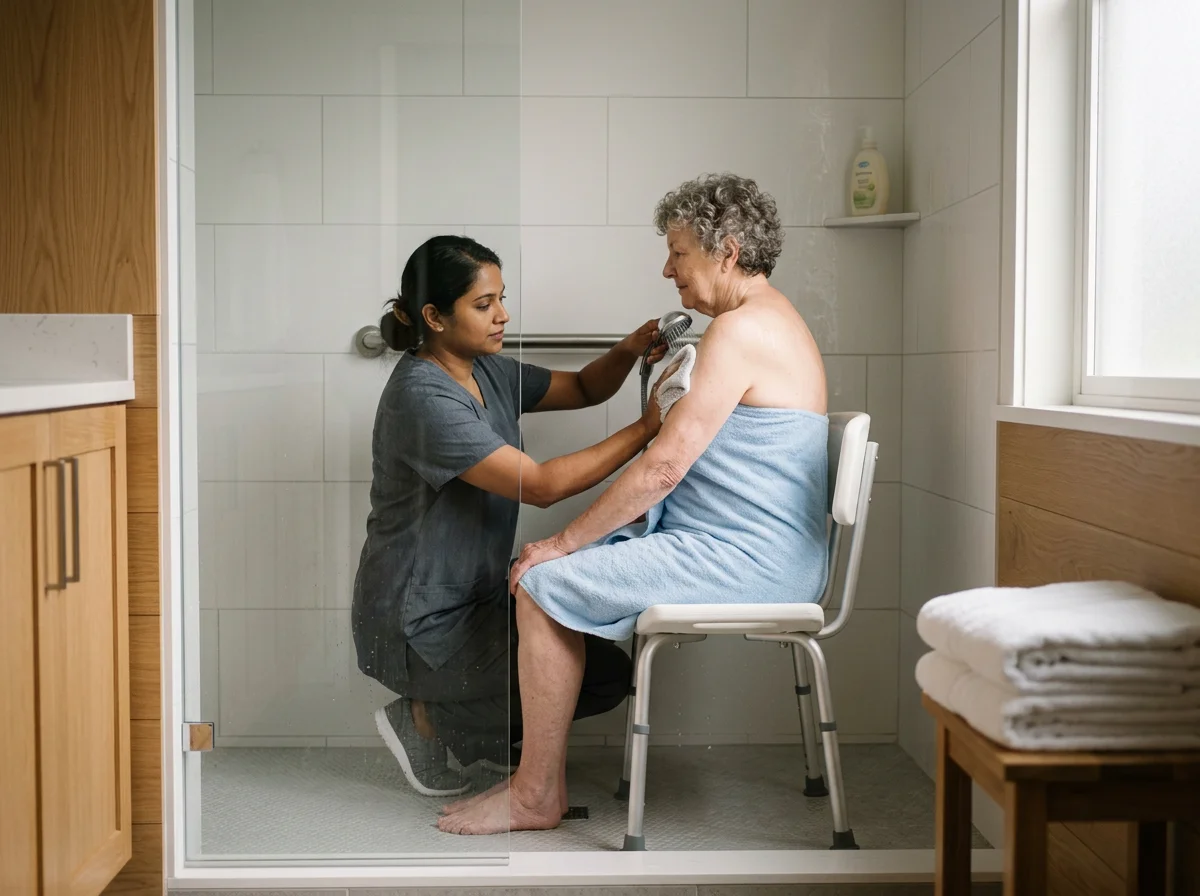
Showering and bathing can become challenging for people who experience mobility limitations, balance difficulties or other disability-related barriers. A support worker may assist with entering and leaving the shower safely, washing or completing parts of the routine that are difficult to manage alone.
Support should follow the person's preferences and agreed support arrangements. Respecting privacy, explaining each step and encouraging the person to do what they can independently can help make showering a more comfortable experience.
Dressing and Getting Ready
Getting dressed may require additional time or assistance for someone who experiences limited mobility, coordination difficulties or challenges with certain clothing fastenings. Support may include helping with clothing, choosing suitable items according to the person's preferences and getting ready for the day.
A person's clothing choices should be respected. Support workers can encourage independence by allowing enough time for the person to complete the parts of dressing they can manage themselves.
Personal Hygiene and Grooming
Personal hygiene assistance may include support with activities such as brushing teeth, washing, hair care and other everyday grooming routines, depending on the person's needs and agreed supports. These activities can contribute to comfort, confidence and wellbeing.
Personal hygiene is a private matter, so assistance should always be delivered with sensitivity. Support workers should communicate respectfully, follow the person's preferences and protect their dignity throughout the routine.
Toileting and Related Personal Activities
Some participants may need assistance with using the toilet or managing related personal hygiene activities. The level of support required will vary from person to person and should be based on their individual needs and support arrangements.
These activities require particular care, privacy and respect. Where a task involves specific health or safety requirements, support should be provided within the worker's training, role and agreed support plan.
Support With Everyday Personal Routines
Personal care may also involve helping someone follow a routine that supports their daily life. This could include getting ready in the morning, preparing for bed or organising the steps involved in completing personal activities.
Consistent, person-centred assistance can help make routines more manageable. Whenever possible, support workers should encourage participants to make their own choices and develop their skills at a pace that suits them.
Who May Benefit From Personal Care NDIS Support?
Personal care support may be useful for people whose disability affects their ability to complete some everyday personal activities independently. This can include people with physical disabilities, intellectual disabilities, autism, acquired brain injury or other support needs.
The type and level of assistance will depend on the individual. Some people may need help with one specific activity, while others may require support across several parts of their daily routine.
A person's needs can also change over time. Reviewing support arrangements regularly can help ensure the assistance remains appropriate and continues to reflect their goals, preferences and circumstances.
How Does Personal Care Support Promote Independence?
Receiving assistance does not mean a person must give up control over their daily routine. When support is delivered thoughtfully, it can help people participate more actively in their own care and make choices about how they want to live.
Encouraging Choice and Control
Participants should be involved in decisions about their personal care wherever possible. This includes choices about routines, clothing, preferred ways of receiving assistance and the level of involvement they want from a support worker.
Listening to these preferences helps create a more respectful support experience. It also reinforces that personal care is provided with the person, rather than simply being done for them.
Building Everyday Skills
Some people want to become more confident completing personal activities independently. A support worker can encourage this by allowing time for practice, breaking tasks into manageable steps and offering assistance only where it is needed.
Progress will look different for each person. The goal is to support the individual's abilities and personal goals without creating unnecessary pressure.
Protecting Privacy and Dignity
Personal care can involve sensitive and private activities. Support workers should communicate clearly, ask permission before assisting and respect the person's boundaries and preferences.
A respectful approach also means avoiding assumptions about what a person can do. Support should be based on the individual's needs and wishes, not on stereotypes about their disability.
What Should You Look for in an NDIS Personal Care Provider?
Choosing personal care support is a personal decision. It can help to consider whether a provider understands your needs, listens to your preferences and explains how support will be delivered.
Look for a provider that respects your privacy, communicates clearly and supports your independence. You may also want to discuss how support workers follow agreed routines, respond when your needs change and work with you towards your personal goals.
If you are exploring help with daily routines, learn more about assistance with daily personal activities. This service information can help you understand the type of practical assistance that may be available.
It is also useful to understand the role of NDIS support workers and how they can assist with everyday activities. A good support relationship should be built on trust, respect, communication and an understanding of what matters to you.
Is NDIS Personal Care Funded by the NDIS?
NDIS funding for personal care depends on a person's individual circumstances, plan arrangements and the applicable NDIS funding rules. Personal care may be funded where the support meets the relevant requirements and is included in the participant's approved funding arrangements.
Not every personal care expense or service is automatically covered. Participants should check their plan, understand the relevant funding categories and confirm whether the proposed support is appropriate for their circumstances.
If you are unsure, you can discuss your support needs and funding arrangements with your support coordinator, plan manager or the NDIS, as appropriate. Understanding these details before arranging services can help you make informed decisions.
Personal Care Support With Aruga Āwhina
At Aruga Āwhina, we believe disability support should empower people to live with greater choice, confidence and independence. Our approach focuses on understanding each person's goals, strengths, preferences and daily support needs.
We aim to walk alongside participants, not in front of them. This means listening to what matters to each person, respecting their choices and providing assistance in a way that supports their participation in everyday life.
For people seeking broader help with daily routines and disability-related needs, our disability support services on the Gold Coast provide further information about the support we offer. The most suitable arrangements will depend on each person's circumstances and support requirements.
Frequently Asked Questions About NDIS Personal Care
1. What is included in NDIS personal care?
NDIS personal care may include assistance with showering, dressing, grooming, personal hygiene and other daily personal activities. The specific support provided depends on the person's needs, preferences and funding arrangements.
2. Can NDIS support workers help with showering and dressing?
Yes, support workers may assist eligible participants with showering, dressing and related personal activities where these supports are appropriate to their needs and agreed arrangements. Assistance should respect the person's privacy, choices and independence.
3. Who can receive NDIS personal care support?
Personal care support may be available to NDIS participants whose disability-related needs affect their ability to complete personal activities independently. Eligibility for particular supports depends on the person's circumstances and applicable NDIS funding rules.
4. Does the NDIS pay for all personal care services?
No. Funding is not automatic for every service or expense. Whether personal care is funded depends on the participant's circumstances, plan arrangements and the applicable NDIS rules.
5. How do I choose the right personal care support provider?
Look for a provider that listens to your preferences, respects your privacy and supports your independence. It is also helpful to discuss your daily routines, specific needs, communication preferences and how the support will be delivered.
