
Assistance with Daily Personal Activities NDIS: A Guide to Everyday Support
Everyday personal tasks can look different for each person. Some people may need occasional help with getting dressed or preparing for the day, while others may benefit from regular assistance with personal hygiene, showering, grooming or other daily routines. Under the NDIS, assistance with daily personal activities can help eligible participants manage these tasks while maintaining their dignity, choice and independence.
For participants and families exploring NDIS daily living support on the Gold Coast, understanding what assistance may involve is a useful first step. Aruga Āwhina provides personalised disability support that respects each person's needs, preferences and goals.
What Is Assistance with Daily Personal Activities Under the NDIS?
Assistance with daily personal activities refers to support with everyday self-care tasks that a person may find difficult to complete independently because of their disability. Depending on their individual circumstances and support arrangements, this may include help with personal hygiene, dressing, grooming, toileting and other routines involved in daily life.
These supports are intended to help participants carry out essential activities in a way that respects their privacy, comfort and personal choices. Support should be tailored to the individual rather than delivered through a one-size-fits-all routine.
NDIS funding is based on a participant's individual plan, goals, support needs and applicable funding rules. Not every person will be eligible for the same assistance, so it is important to understand what supports are included in their plan.
What Can Daily Personal Activity Support Include?
The type and level of assistance will depend on the participant's circumstances, preferences and daily routine. Common examples of personal care and daily living support may include the following.
1. Personal Hygiene and Showering
Some participants may need assistance to maintain personal hygiene and feel comfortable throughout the day. Depending on their needs, support may include help with showering, bathing, washing, drying or following a preferred hygiene routine.
Privacy and dignity are particularly important during personal care. Participants should be supported in a respectful manner, with their preferences and consent considered throughout the process.
2. Dressing and Grooming
Getting dressed can involve several steps, including choosing suitable clothing, managing fastenings and putting on or removing garments. A support worker may assist with these tasks where needed, while encouraging the participant to complete the parts they can comfortably manage themselves.
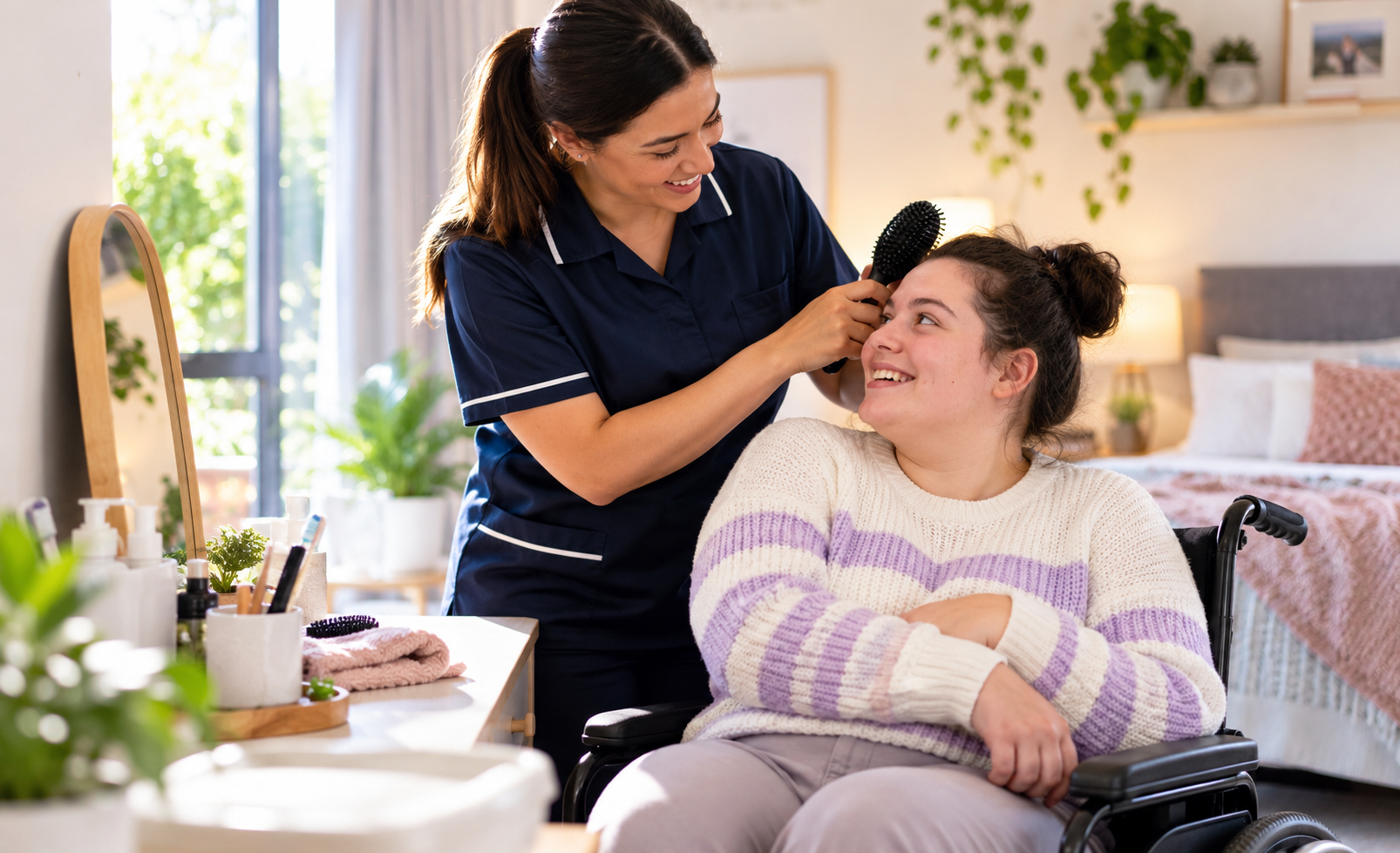
Grooming assistance may include support with brushing hair, maintaining a daily grooming routine or other personal presentation tasks. The aim is to respect each person's preferences and help them feel comfortable and confident.
3. Toileting and Personal Care Routines
Some people require assistance with toileting or related personal care routines because of mobility, coordination or other disability-related support needs. The appropriate assistance will depend on the person's individual circumstances and the support arrangements in place.
These tasks should be approached sensitively, with clear communication and respect for privacy. Participants should be able to express their preferences and discuss what makes them feel safe and comfortable.
4. Getting Ready for the Day
Daily routines may include several activities that help a person prepare for work, study, appointments or community participation. A support worker may assist with personal care, getting dressed and organising the steps needed to begin the day.
For some participants, having a predictable routine can make daily activities easier to manage. Support can be adjusted to suit individual preferences, energy levels and changing needs.
5. Building Everyday Independence
Personal care support does not always mean completing every task for someone. Where appropriate, a support worker can encourage participants to practise skills, make choices and take an active role in their own routines.
For example, a participant might practise selecting their clothes, organising personal care items or completing part of a grooming routine independently. The level of assistance should reflect the person's abilities, goals and preferences without creating unnecessary pressure.
Who May Benefit from NDIS Daily Living Support?
Daily personal activity support may be relevant to NDIS participants whose disabilities affect their ability to manage everyday self-care tasks. The type of assistance required can vary widely, even among people with similar disabilities.
Support may be worth exploring for people who experience disability-related challenges with mobility, coordination, personal hygiene, dressing or other daily routines. Participants may also need assistance that changes over time as their circumstances, abilities or goals change.
The important consideration is the person's individual support needs and whether the assistance meets the relevant NDIS funding requirements. A diagnosis alone does not automatically determine what support will be funded.
How Can Personal Care Support Promote Independence?
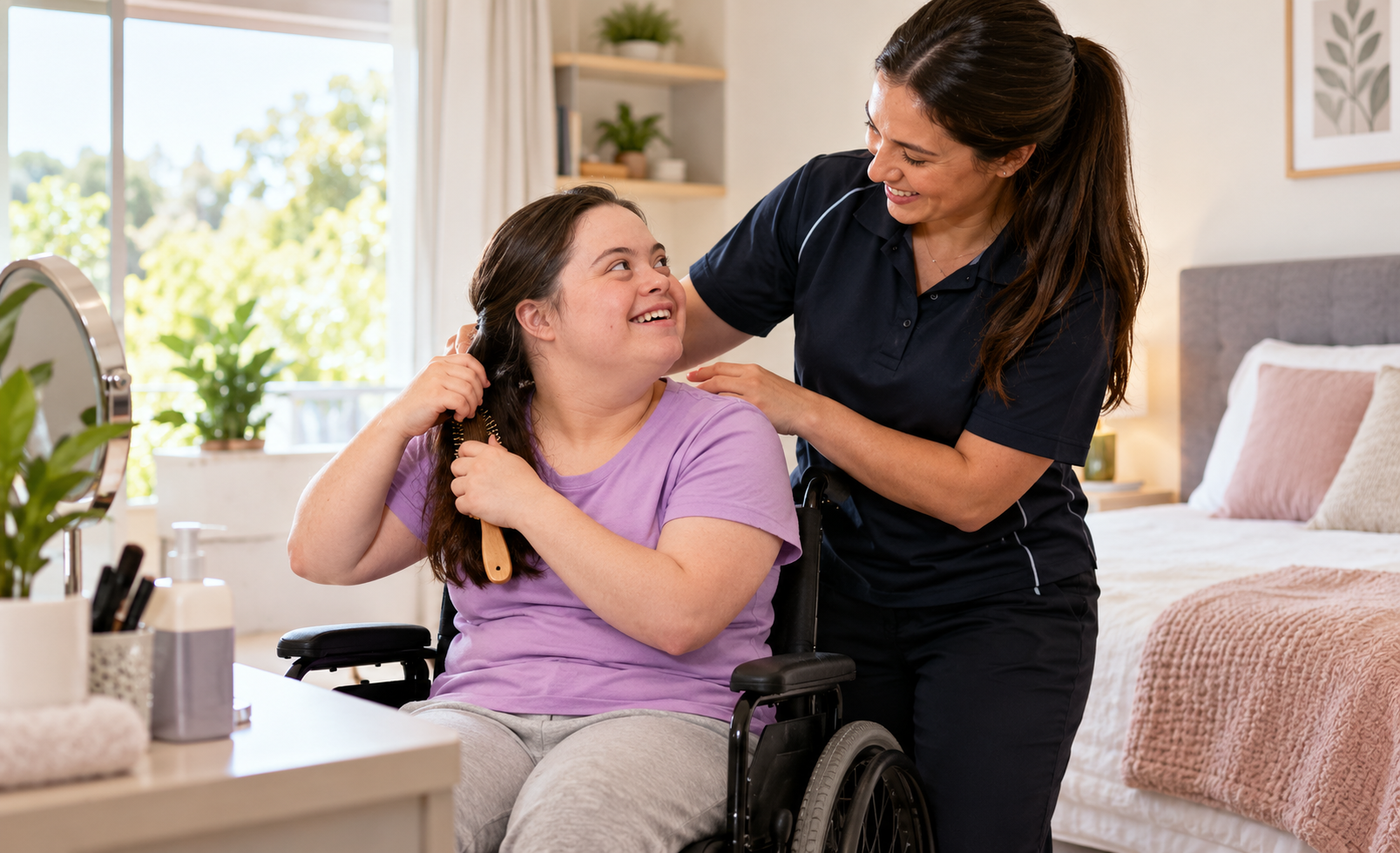
Appropriate assistance can help participants manage daily routines while retaining as much control as possible over their lives. When support is planned around the individual, it can provide practical help without overlooking personal preferences, dignity or opportunities to develop skills.
Greater choice and control: Participants can communicate how they prefer personal care tasks to be completed and establish routines that work for them.
Support with everyday routines: Assistance can make personal care tasks more manageable when disability-related barriers affect daily activities.
Opportunities to practise skills: Where suitable, participants can build confidence by taking part in tasks rather than having everything done for them.
Respect for dignity and privacy: Person-centred support recognises that personal care is private and should be delivered respectfully.
Consistency where possible: Clear communication about preferences and routines can help support workers provide assistance that aligns with the participant's needs.
These benefits depend on the quality and suitability of the support, the participant's circumstances and the way assistance is delivered. Personal care should always be guided by the individual's choices, safety and support requirements.
What Is the Role of an NDIS Support Worker in Personal Care?
An NDIS support worker may assist with agreed daily personal activities as part of a participant's support arrangements. Their role is to provide practical assistance in a respectful way, follow relevant support instructions and communicate appropriately about the participant's needs.
Good support starts with understanding how a person prefers to complete their routine. This includes listening to their choices, explaining tasks clearly, respecting boundaries and encouraging participation wherever appropriate.
If you are exploring NDIS support workers on the Gold Coast, consider whether the support approach aligns with the participant's daily routine, communication preferences and personal goals. It can also be helpful to discuss how support needs will be communicated and reviewed.
How to Explore Assistance with Daily Personal Activities Through the NDIS
If you or someone you support is considering personal care assistance, the following steps can help clarify what may be suitable.
1. Identify the Tasks Where Support Is Needed
Think about which daily activities are difficult to manage independently and what type of assistance would help. This may include showering, dressing, grooming, toileting or establishing a more manageable daily routine.
It can be useful to note when assistance is needed, how often it may be required and what the participant would prefer to do independently. These details can help explain the person's everyday support needs.
2. Review the Participant's NDIS Plan
Check the participant's plan and current funding arrangements to understand which supports may be available. NDIS funding depends on individual circumstances and the applicable plan and funding rules, so a particular service should not be assumed to be covered automatically.
If you are unsure how a support relates to the plan, consider discussing the question with the participant's support coordinator or another appropriate NDIS contact.
3. Discuss Personal Preferences and Support Requirements
Personal care can involve sensitive tasks, so it is important to discuss privacy, communication, routines and any relevant support instructions before assistance begins. Participants should have opportunities to explain what they are comfortable with and what matters most to them.
Where relevant, discuss any mobility assistance, communication needs or other considerations that may affect how support is provided. Clear communication helps everyone understand the participant's preferences and the agreed arrangements.
4. Explore a Suitable Support Provider
Look for a provider that understands the participant's needs and takes a respectful, person-centred approach. Ask how the provider communicates with participants, considers their preferences and responds when support needs or routines change.
You can learn more about personal care services and assistance with daily personal activities to explore the type of support that may be relevant to your circumstances.
Choosing Personal Care Support on the Gold Coast
When exploring personal care services around Helensvale and the wider Gold Coast, it is worth considering more than the tasks a provider can assist with. The way support is delivered matters, particularly when assistance involves personal routines and private activities.
Consider whether the provider listens to the participant, communicates clearly and respects individual choices. It is also helpful to discuss the support required, preferred routines and any practical arrangements that need to be understood before services begin.
Aruga Āwhina provides personalised disability support with an emphasis on dignity, respect, consistency and community connection. The approach recognises that every participant has their own strengths, goals and preferences, and that support should empower independence rather than create unnecessary dependence.
For people exploring broader disability support on the Gold Coast, discussing daily personal activity needs is one way to begin identifying the assistance that may be appropriate. The right arrangements should reflect the participant's circumstances and applicable NDIS funding requirements.
Frequently Asked Questions
1. What is assistance with daily personal activities under the NDIS?
Assistance with daily personal activities is support with everyday self-care tasks that a participant may find difficult because of their disability. Depending on individual needs and support arrangements, it may include help with showering, personal hygiene, dressing, grooming or toileting.
2. Can an NDIS support worker help with showering and dressing?
An NDIS support worker may assist with showering, dressing and other personal care tasks where these supports are appropriate to the participant's needs and arrangements. The assistance should respect the participant's privacy, preferences and dignity.
3. Does the NDIS automatically fund personal care for every participant?
No. NDIS funding depends on the participant's individual circumstances, plan and applicable funding requirements. Participants should review their plan and seek clarification from an appropriate NDIS contact if they are unsure whether a particular support is covered.
4. Can personal care support help someone become more independent?
Personal care support can encourage independence when it gives participants opportunities to make choices and practise tasks they can manage. The level of assistance should be tailored to the person's abilities, preferences, safety and goals.
5. How can I explore daily personal activity support on the Gold Coast?
Start by identifying the daily tasks where assistance may be needed, reviewing the participant's NDIS plan and discussing personal preferences. You can then contact a suitable disability support provider to discuss the participant's requirements and the support arrangements that may be appropriate.
