
SIL Gold Coast: Supported Independent Living with Personalised Support
Finding the right living arrangement can be an important step towards greater independence, confidence and control over everyday life. For people with disabilities who need ongoing assistance at home, Supported Independent Living (SIL) on the Gold Coast can support daily activities while helping them build practical skills and work towards their personal goals.
At Aruga Āwhina, we understand that every person has different needs, routines and preferences. Our approach to disability support centres on dignity, choice, and respect, with a focus on helping people participate in daily life as independently as possible. If you or a family member are exploring SIL, we can discuss your support needs and help you understand the next steps.
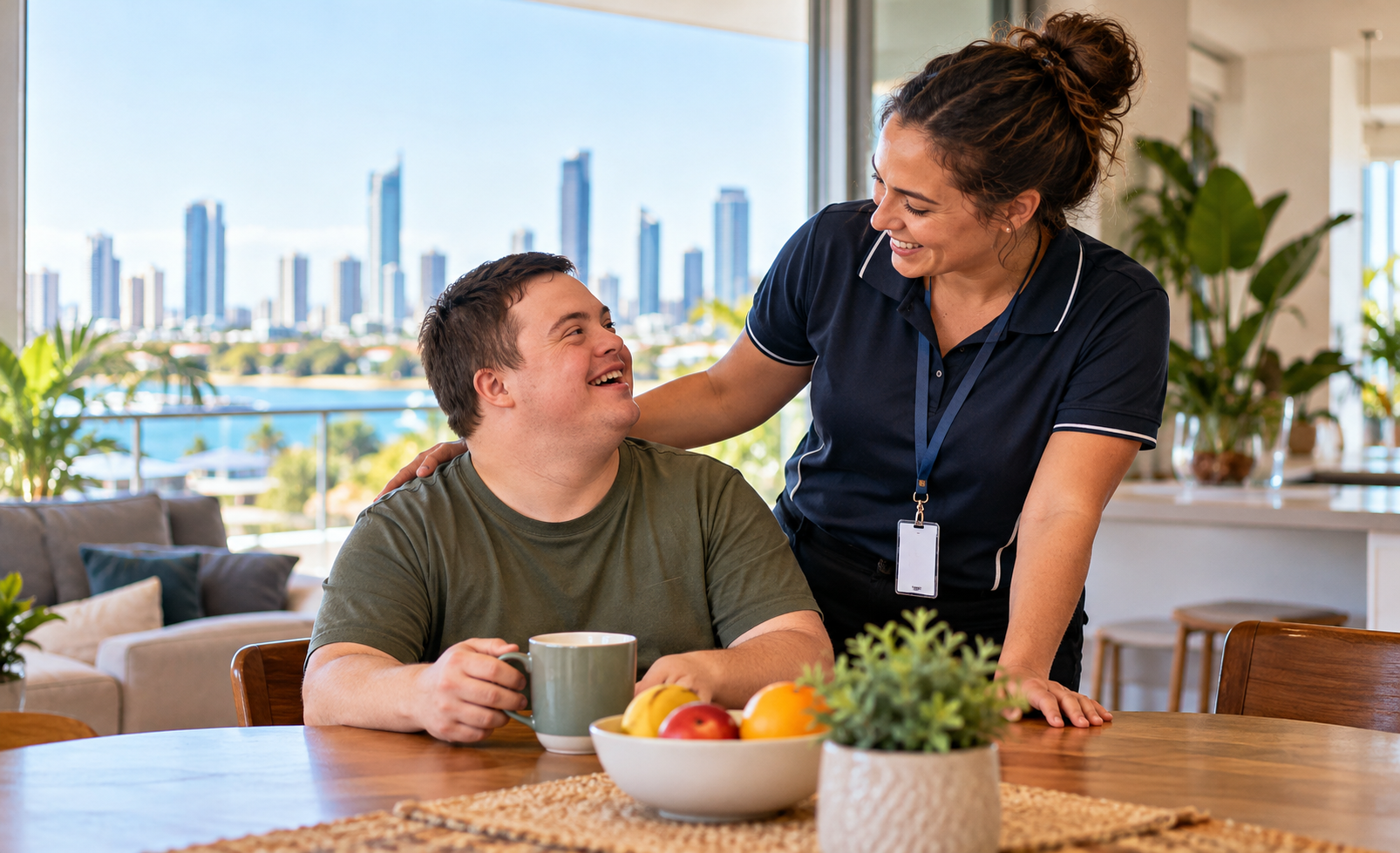
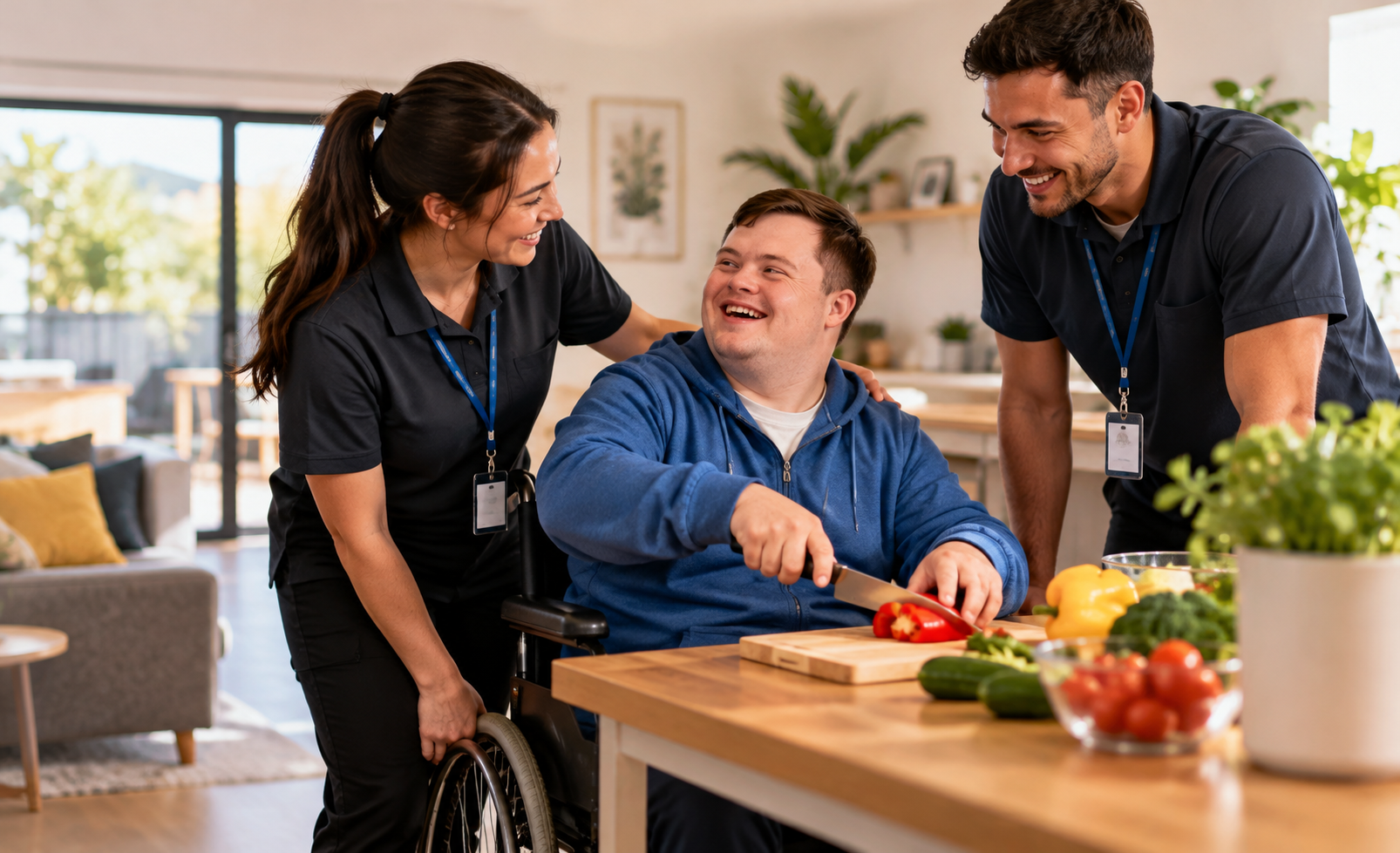
Supported Independent Living, commonly known as SIL, is an NDIS-funded support for eligible participants who require regular assistance or supervision with everyday tasks in their home. It is generally intended for people with higher support needs who require help throughout the day and may also need overnight support.
SIL focuses on the assistance a person receives rather than the physical home itself. Depending on an individual's needs and approved supports, assistance may be provided in a shared living arrangement or, in some circumstances, with individual support.
The aim is to help participants maintain their daily routines, build practical life skills and exercise greater choice over how they live. The level and type of assistance depend on the participant's disability-related support needs and NDIS arrangements.
What Is Supported Independent Living (SIL)?
What Support Can SIL Include?

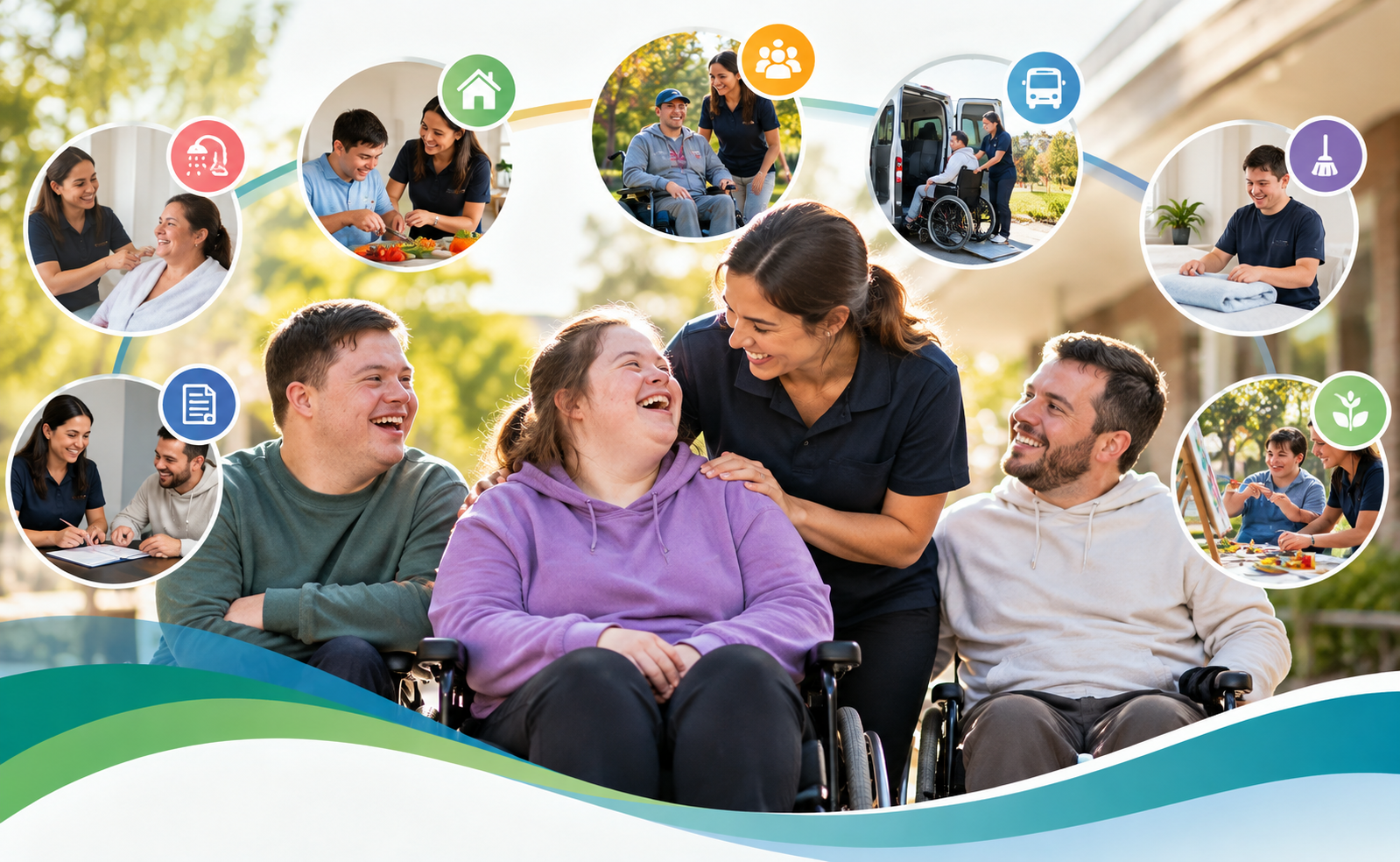
Supported Independent Living may involve different types of daily assistance depending on a participant's individual needs, goals, and support plan. The purpose is to provide appropriate help while encouraging participation, confidence, and independence wherever possible.
Personal Care and Daily Routines
Some participants require assistance with personal activities to maintain their comfort, dignity and wellbeing. Depending on the support arrangements, this may include help with showering, dressing, grooming and other everyday personal care tasks.
Support should be delivered respectfully and in a way that considers the participant's preferences, privacy and level of independence. Where possible, participants can be encouraged to complete the parts of a task they can manage themselves.
Building Independent Living Skills
Independent living involves more than receiving help with daily activities. It can also mean learning new skills, making decisions and becoming more confident with everyday responsibilities.
Depending on their goals and support needs, participants may work on developing routines, making choices about daily activities and taking greater responsibility for tasks they are comfortable managing. Support should be tailored to the individual rather than applying the same approach to everyone.
Meal Preparation and Everyday Household Tasks
Preparing meals and maintaining a comfortable living environment are important parts of everyday life. SIL supports may include assistance with cooking, planning daily routines, cleaning and other household tasks related to a participant's disability support needs.
These activities can also provide opportunities to practise useful life skills. With appropriate guidance, participants may develop greater confidence in preparing food, organising belongings and taking part in household responsibilities.
Safety, Supervision and Consistent Support
Some people need ongoing supervision or assistance to manage daily activities safely at home. SIL arrangements can be designed around the level of support required, including how assistance is organised throughout the day and, where needed, overnight.
The appropriate arrangement depends on the participant's circumstances and assessed support needs. Any proposed supports should be discussed with the relevant NDIS contacts and provider to confirm that the arrangement is suitable and can be delivered within the participant's approved funding.
Who May Benefit from SIL on the Gold Coast?
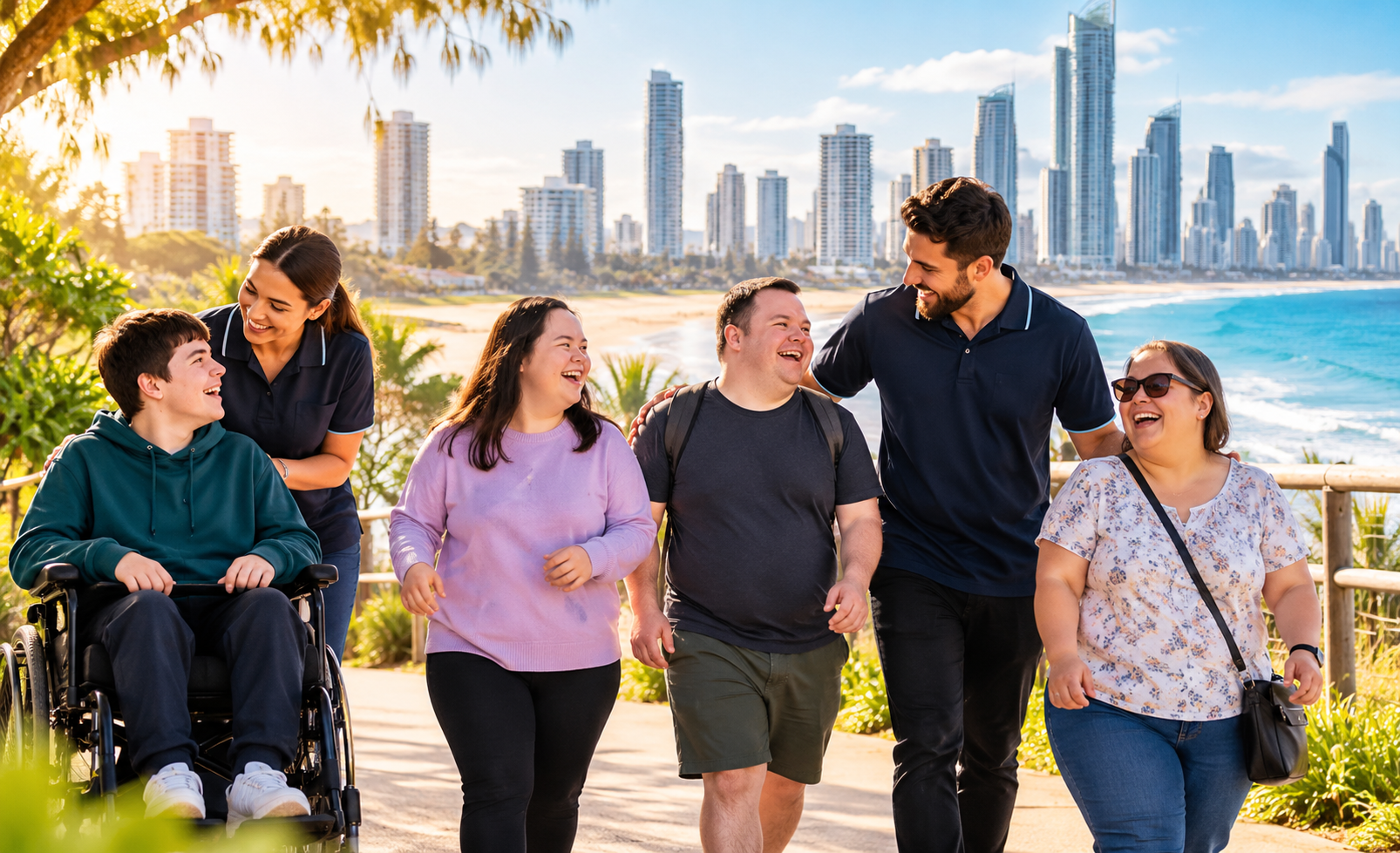
Supported Independent Living may be worth exploring for people with disability who need substantial assistance with everyday activities and want to work towards their preferred way of living. It can be relevant for participants considering a move from the family home or reviewing whether their current living arrangements meet their needs.
SIL may be worth discussing if a participant:
Needs regular help or supervision with daily activities at home.
Would benefit from assistance with personal care, meals or household routines.
Wants to develop practical skills and build confidence with everyday responsibilities.
Is considering a shared living arrangement with other people.
Needs a more structured approach to organising daily support.
Wants to explore home and living options that align with their goals and support requirements.
Not everyone who needs help at home will require SIL. Some participants may be better suited to other NDIS supports, such as assistance with daily personal activities or Individualised Living Options (ILO). Understanding the differences can help participants and families explore an arrangement that fits their circumstances.
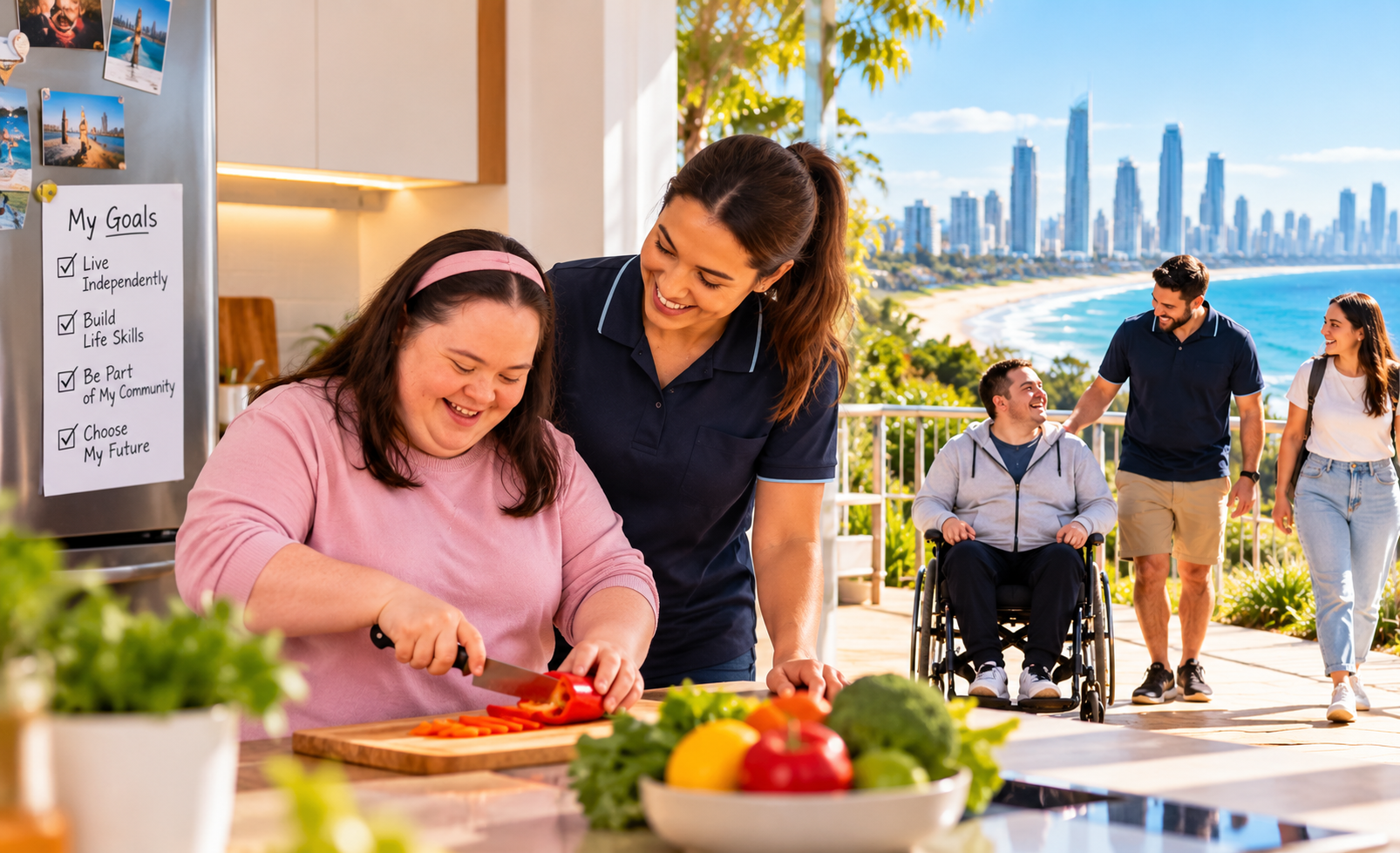
How SIL Can Support Choice and Independence
The right support arrangement can help a person feel more confident about everyday decisions and responsibilities. While each participant's experience is different, SIL may offer opportunities to work towards greater independence with assistance suited to their needs.
Support with everyday life: Assistance can help participants manage tasks that may otherwise be difficult to complete independently.
Opportunities to build skills: Daily activities can become opportunities to practise cooking, household routines and other practical tasks.
Greater involvement in decisions: Participants should be supported to express their preferences and have a say in how their support is organised.
Routines that reflect individual needs: Support planning can consider personal goals, daily habits, communication preferences and required assistance.
Participation in the community: Where included in the participant's support arrangements, assistance may help them access relevant appointments, activities and social connections.
Independence does not mean doing everything without help. It means having opportunities to make choices, participate in everyday life and receive the level of assistance needed to work towards personal goals.
SIL, SDA and ILO: Understanding the Differences
When exploring supported accommodation and home and living options, it is important to understand that SIL, Specialist Disability Accommodation (SDA) and Individualised Living Options (ILO) serve different purposes. The most suitable option depends on a participant's disability-related needs, preferences, living circumstances and NDIS funding.
Supported Independent Living (SIL)
SIL provides funding for eligible assistance or supervision with daily activities in the home. It is generally designed for participants with higher support needs and may involve shared supports or individual assistance, depending on the approved arrangement.
Specialist Disability Accommodation (SDA)
SDA refers to specialised housing for eligible people with extreme functional impairment or very high support needs. It relates to the home itself, whereas SIL relates to the support workers who assist with daily living. Some participants may have both SDA and SIL funding if they meet the relevant requirements.
Individualised Living Options (ILO)
ILO is another home and living support option that helps eligible participants explore how and where they want to live, including who they live with and how their support is arranged. Depending on the person's circumstances, an ILO arrangement may involve a host, housemates, informal supports and other planned assistance.
These options are not interchangeable. A participant's NDIS planner, support coordinator or relevant NDIS contact can help them explore which home and living supports may suit their circumstances.
Understanding NDIS Funding for SIL
SIL funding is not automatic for every NDIS participant who needs help with daily activities. The NDIS considers a person's individual circumstances, disability-related support needs and whether the requested support meets the applicable funding requirements.
SIL funding is intended to cover eligible support worker assistance, not the general costs of maintaining a home. Expenses such as rent, board, groceries, utilities and other ordinary living costs are generally separate from SIL funding.
If you are considering SIL on the Gold Coast, it is useful to review your current NDIS plan and discuss your home and living goals with your support coordinator, NDIS planner or relevant contact. You should also confirm the provider's current registration and ability to deliver the specific SIL supports you require.

Why Discuss Your Support Needs with Aruga Āwhina?
Choosing disability support is a personal decision. It is important to find an approach that respects the participant's choices, recognises their strengths and considers the assistance they need in everyday life.
Aruga Āwhina provides disability support with an emphasis on dignity, respect, choice and supporting people to participate in daily life. We recognise that participants and families may need time to understand their options and decide which supports best align with their goals.
When discussing your circumstances, useful topics may include:
Your preferred living arrangement and longer-term goals.
The daily activities you can manage independently and those where you need assistance.
Your preferred routines, communication needs and personal preferences.
The type and frequency of support you may require.
Your current NDIS funding and any questions about home and living supports.
As SIL provision is subject to current NDIS registration requirements, please contact Aruga Āwhina to discuss your circumstances and confirm whether we can assist with your specific support needs. We will not assume that a particular living arrangement or level of support is suitable without understanding your situation.
Related Disability Support Services
Exploring SIL may also involve looking at other forms of daily assistance and disability support.
You can learn more about NDIS support workers on the Gold Coast and how support workers may assist with everyday activities in line with a participant's needs and agreed supports.
For a broader overview of available assistance, visit our information about disability support services on the Gold Coast. If your main requirement is help with personal care and everyday activities, you can also explore assistance with daily personal activities.

Enquire About SIL Gold Coast
If you or a family member are exploring Supported Independent Living, starting a conversation can help clarify your goals, daily support needs, and possible next steps. You do not need to have every detail worked out before asking questions about your options.
Contact Aruga Āwhina to discuss your circumstances and find out whether we can assist with your disability support needs. We can talk through your priorities and the information needed to determine an appropriate next step, subject to service availability and applicable NDIS requirements.
Frequently Asked Questions About SIL Gold Coast
1. What does SIL mean in the NDIS?
SIL stands for Supported Independent Living. It is an NDIS-funded support for eligible participants who need assistance or supervision with daily activities at home, generally because they have higher support needs. SIL is intended to help participants live as independently as possible while developing everyday skills.
2. Who is eligible for Supported Independent Living?
Eligibility depends on the participant's individual circumstances, disability-related support needs, and the NDIS funding requirements. SIL is generally designed for people who need substantial support at home throughout the day and may require overnight assistance. An NDIS planner, support coordinator or relevant NDIS contact can help you understand whether SIL may be suitable.
3. Does SIL funding cover rent and groceries?
No. SIL funding is intended for eligible support worker assistance rather than ordinary living expenses. Costs such as rent, board, groceries, and household utilities are generally separate and need to be considered when planning a living arrangement.
4. What is the difference between SIL and SDA?
SIL funds eligible assistance with daily living activities, while SDA refers to specialised housing for eligible participants with very high support needs or extreme functional impairment. They serve different purposes, and some participants may qualify for both depending on their circumstances and approved NDIS supports.
5. How can I enquire about SIL support on the Gold Coast?
You can contact Aruga Āwhina to discuss your goals, daily support needs and current circumstances. We can talk through your enquiry and clarify whether we may be able to assist, subject to service availability and current NDIS registration requirements. It is also helpful to discuss your home and living options with your support coordinator or NDIS contact.