
Assistive technology can be life-changing — but with so many options available, knowing where to start can feel overwhelming. From simple household tools to advanced smart devices, the right technology can improve independence, safety, confidence, and overall quality of life.
The good news? Assistive technology doesn’t always need to be expensive or complicated to make a meaningful difference.
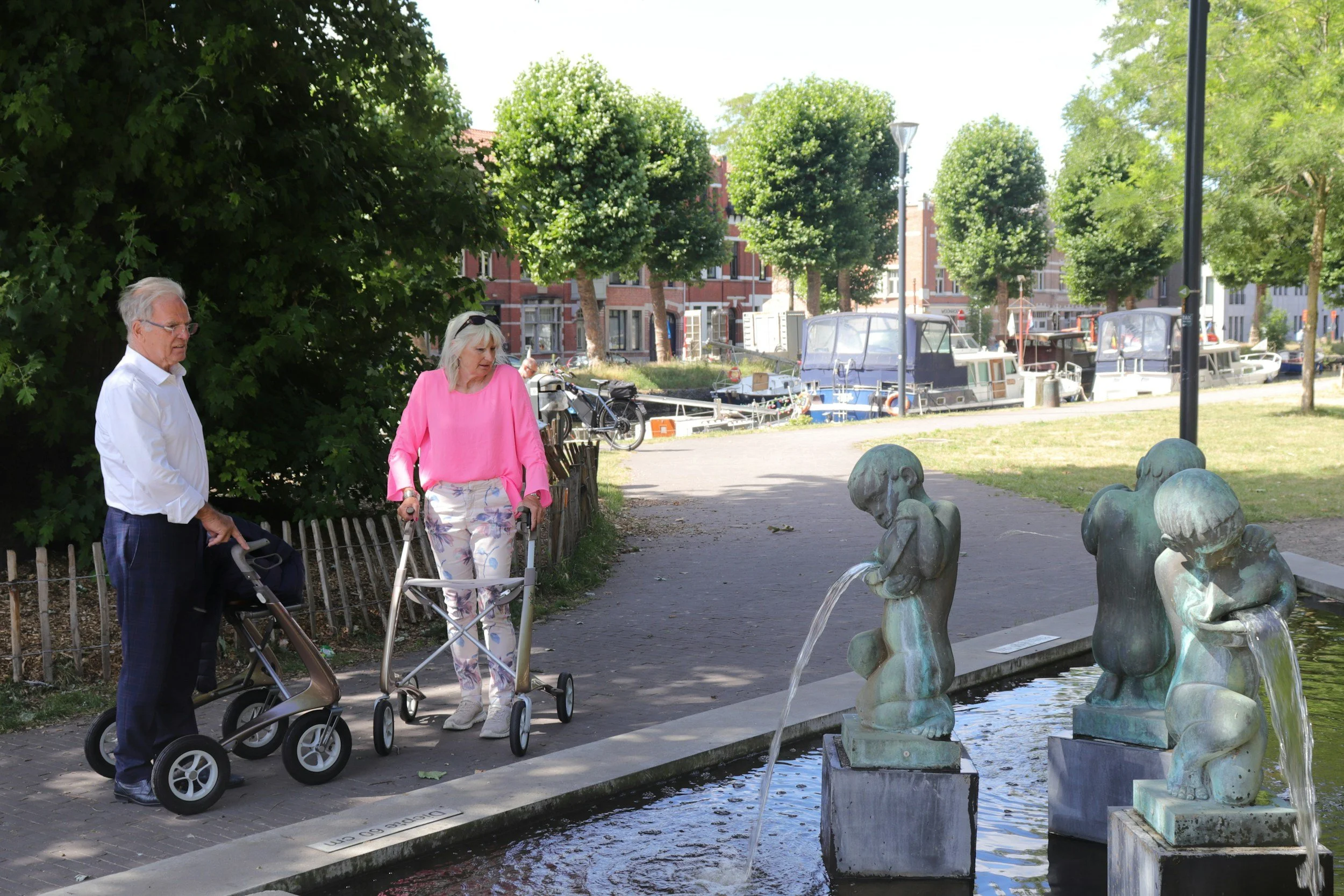
Two people at a park newar a water fountain, one person is weairng a white shirt and navy pants with glasses, the other is wearing a pink top tucked into light coloured floral patterned pants. They both have mobility walkers assisting them.
What is Assistive Technology?
Assistive technology (often called AT) refers to any equipment, device, or system that helps a person complete tasks more easily and independently. These supports can be used at home, in the community, at work, or during daily routines.
Assistive technology may include:
Mobility aids such as walkers, wheelchairs, walking sticks, or transfer equipment
Communication devices for people with speech or communication challenges
Sensory supports including noise-cancelling headphones or visual timers
Smart home systems like voice-activated lights, alarms, or automated doors
Bathroom and home safety equipment such as shower chairs or grab rails
Daily living tools designed to make cooking, dressing, or cleaning easier
Some assistive technology is highly specialised, while other supports are simple adjustments that can dramatically improve day-to-day life.
Why Assistive Technology Matters
The right equipment can help people:
Maintain independence for longer
Improve safety and reduce the risk of injury
Increase confidence in everyday activities
Reduce physical strain and fatigue
Enhance communication and social connection
Support participation in work, study, and community activities
For many people, assistive technology is not just about convenience — it’s about creating greater freedom and choice in daily life.
Choosing the Right Technology
Not every device will suit every person. The best assistive technology is the technology that works for your needs, goals, and lifestyle.
Before investing, ask yourself:
Does it meet a daily need?
Think about the challenges you experience most often. Will this equipment solve a problem you regularly face?
Will it improve independence?
Good assistive technology should make tasks easier to complete safely and confidently, either independently or with less support.
Is it easy to use?
Even the most advanced device may not be helpful if it’s difficult to operate or maintain. Simplicity and comfort matter.
Will it work long-term?
Consider whether the equipment will continue meeting your needs in the future or adapt as your circumstances change.
Is it practical for your environment?
Some equipment works well in certain homes or workplaces but not others. Consider space, accessibility, storage, and transport.
Simple Technology Can Make a Big Difference
People often think assistive technology needs to be high-tech or expensive, but small changes can have a major impact.
Examples include:
Non-slip mats to improve bathroom safety
Medication reminder alarms
Adaptive kitchen utensils
Shower chairs and handheld shower heads
Smart speakers for reminders and voice control
Visual schedules and planners
Easy-grip pens and tools
Sometimes the most effective supports are the simplest ones.
Try Before You Buy
Whenever possible, trial equipment before committing to a purchase. What works well for one person may not work well for another.
Trials can help you determine:
Whether the equipment feels comfortable
If it’s easy to use independently
Whether it genuinely improves daily routines
If adjustments or alternatives are needed
Many providers and organisations offer demonstrations, short-term trials, or equipment hire options before purchase.
NDIS Funding for Assistive Technology
The National Disability Insurance Scheme (NDIS) may fund assistive technology when it is considered reasonable and necessary and aligns with a participant’s goals and support needs.
Funding may cover:
Low-cost daily living items
Communication devices
Mobility equipment
Home and vehicle modifications
Specialist disability equipment
The level of evidence required often depends on the cost and complexity of the item. In some cases, assessments or supporting reports from allied health professionals may be needed.
It’s important to speak with your support coordinator, occupational therapist, or NDIS provider to understand what options may be available for your situation.
You can learn more through the official NDIS Assistive Technology Information.

Pieces of yellow lined writing paper assembled in such a way they form around a green speech bubble, with three screwed up yellow pieces in the speech bubble forming …
Final Thoughts
Assistive technology should support your goals, not complicate your life. The best investment is not always the most expensive device — it’s the one that fits seamlessly into your daily routine and genuinely improves your independence, comfort, and wellbeing.
Finding the right support can take time, but the right technology can open doors to greater confidence, safety, and freedom every day.
