
The Gold Coast is known for its beautiful beaches, outdoor lifestyle, and vibrant community spaces — but for people living with disability, accessibility can make the difference between simply visiting a location and genuinely being able to enjoy it comfortably and independently.
The good news is that accessibility across the Gold Coast continues to improve. From beach access programs and inclusive playgrounds to accessible public transport and community-focused recreational spaces, there are now more opportunities than ever for people of all abilities to participate in the community.
Whether you are a local resident, a support worker, a family member, or someone visiting the region, knowing what accessible options are available can help make outings more enjoyable and less stressful.
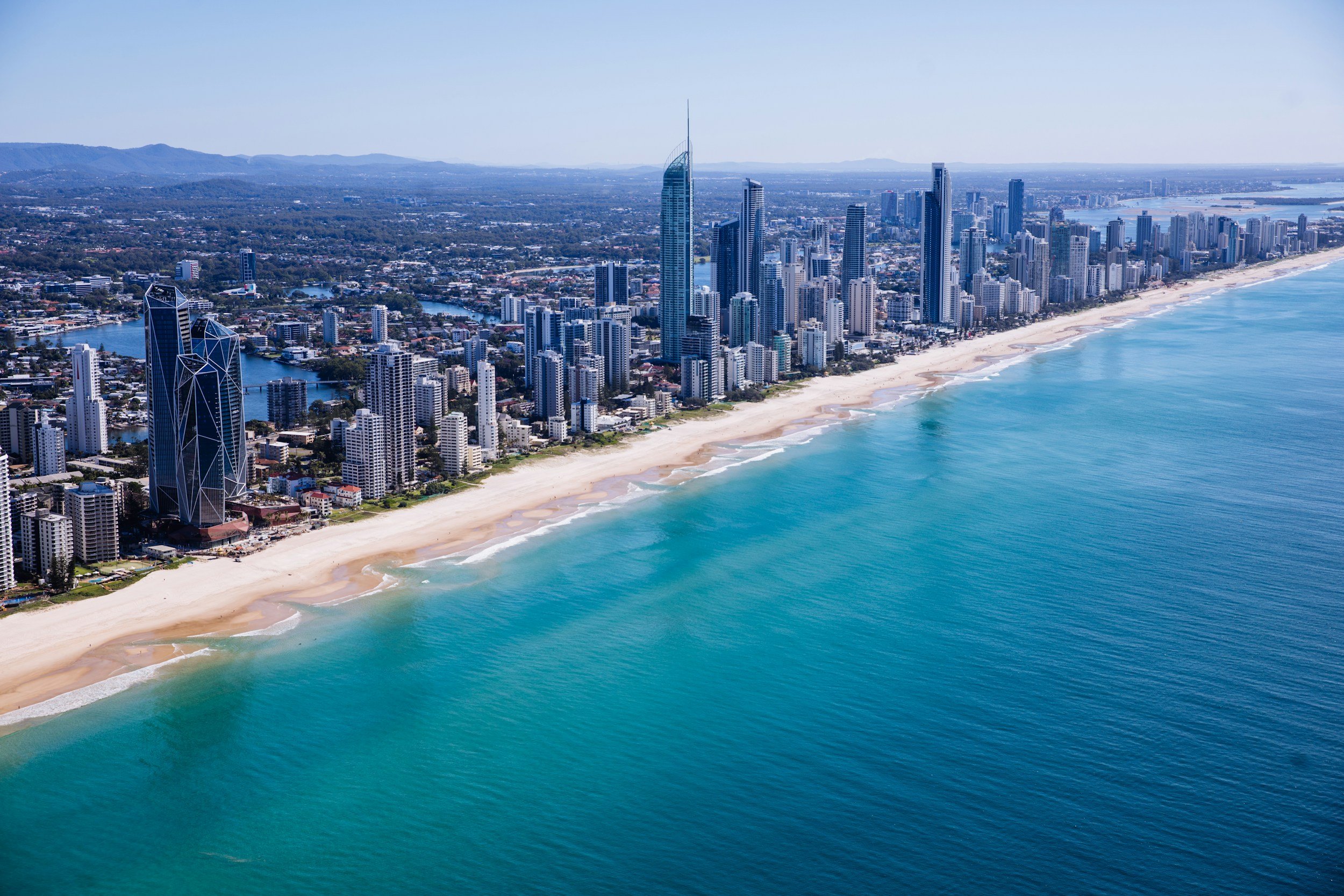
Aerial image of the Gold Coast skyline
Accessible Beaches on the Gold Coast
One of the biggest highlights of the Gold Coast is its coastline, and accessibility initiatives are helping ensure the beaches can be enjoyed by everyone.
The Gold Coast City Council partners with local community organisations to deliver the Beach Access Program, providing free access to beach wheelchairs and beach matting at selected locations. These services allow people using wheelchairs or mobility aids to access areas that would otherwise be difficult to navigate.
Beach wheelchairs and beach matting are available at a number of locations across the coast, including:
Broadbeach – Kurrawa Surf Life Saving Club
Burleigh Heads – Mowbray Park Surf Life Saving Club
North Burleigh Surf Life Saving Club
Miami Beach Surf Life Saving Club
Nobby’s Beach Surf Life Saving Club
Southport – Broadwater Parklands swimming lagoon
Surfers Paradise Surf Life Saving Club
Tallebudgera Creek – Neptune Royal Life Saving Club
Availability can vary depending on weather and surf conditions, so it is recommended to contact the relevant surf club ahead of time to confirm access for your planned visit.
In addition, beach wheelchair loans may also be available through organisations such as Gold Coast Recreation and Sport Inc. in Southport, although a deposit may sometimes be required.
These initiatives are an important step toward creating more inclusive outdoor experiences and allowing everyone the opportunity to enjoy the lifestyle the Gold Coast is famous for.
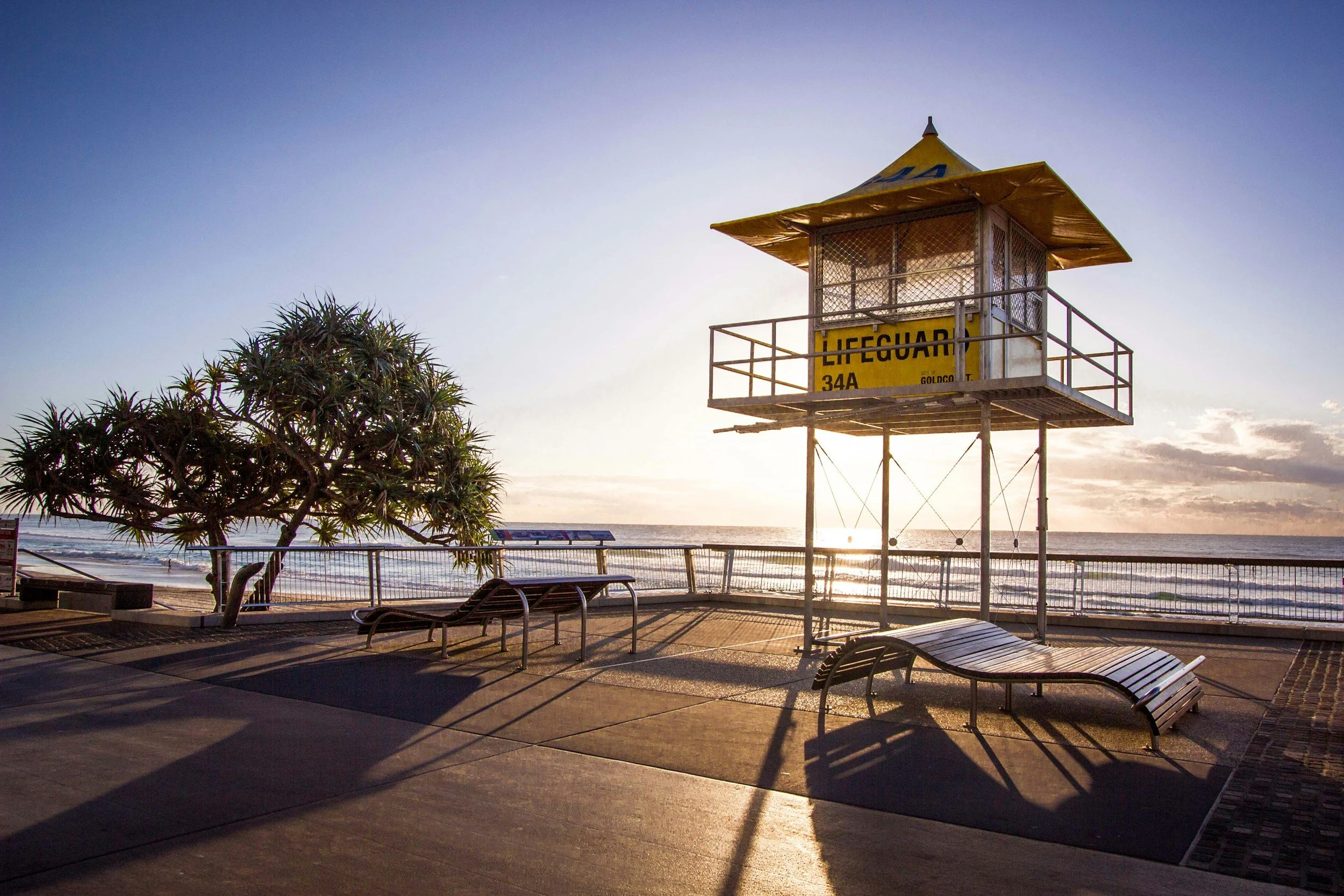
Image of the 34A Lifeguard tower in Surfers Paradise
Accessible Public Transport Options
Getting around confidently is an important part of accessibility, and the Gold Coast’s public transport network has several features designed to support people with mobility needs.
The G:link tram system offers mobility-friendly access through assisted boarding points located at the front boarding sections of each platform. Tram drivers can deploy a ramp between the platform and tram to assist passengers using wheelchairs, mobility scooters, prams, or other mobility aids.
Inside the tram, there are designated accessibility spaces available, and passengers can notify the driver when assistance is required at their stop by pressing the yellow stop button.
Alternatively, carriages 2 and 6 include:
Blue push-button automatic doors
Floor decals identifying accessibility areas
Additional open space for wheelchairs, scooters, and prams
Central stability bars for support while travelling
Each tram station also includes blue ground markings that identify where accessible carriages will stop, helping passengers position themselves more easily before boarding.
These features may seem small, but they can significantly improve confidence, independence, and overall comfort when navigating public spaces.
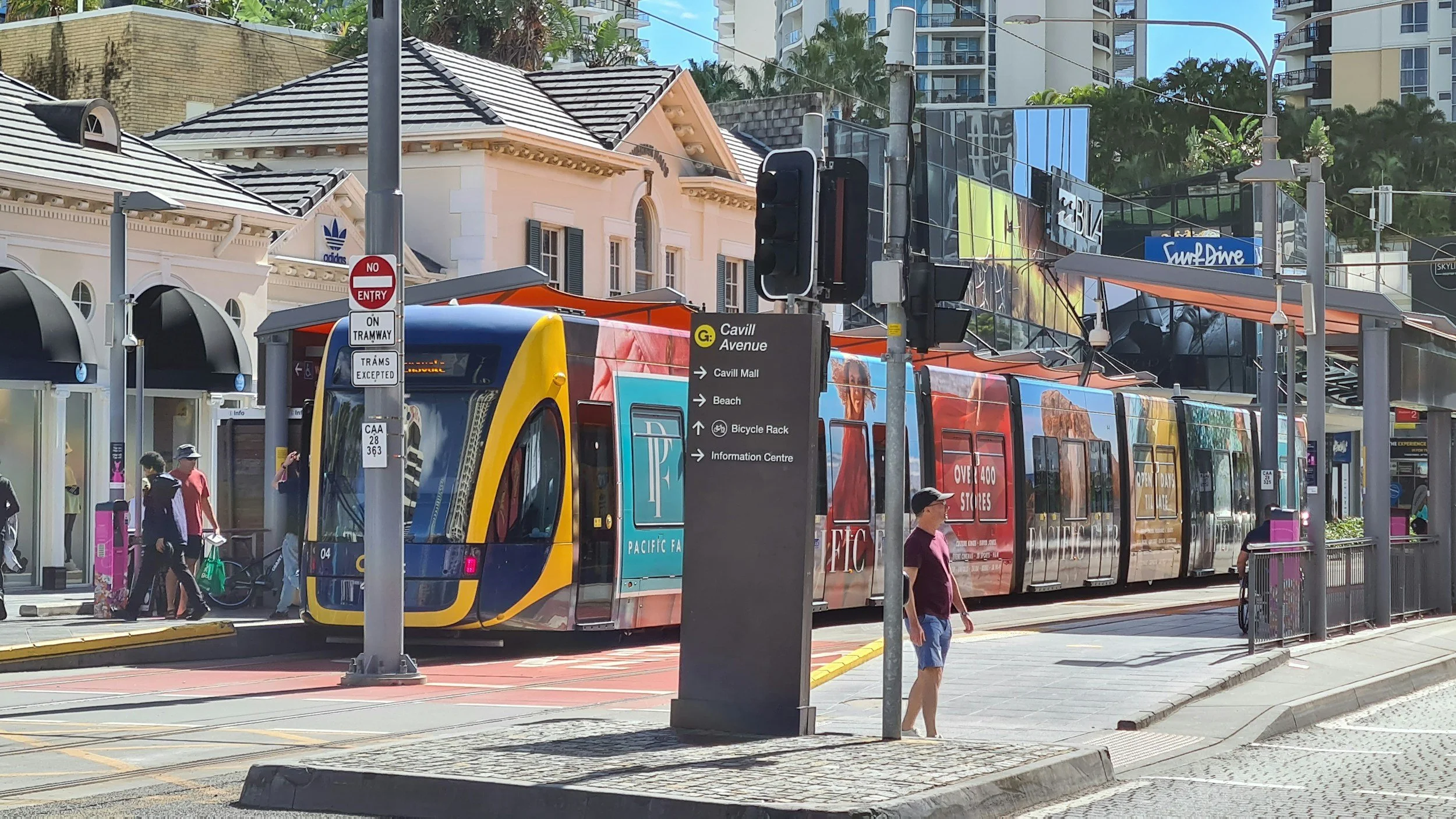
G:Link Tram at Cavill Avenue stop.
Inclusive Parks and Recreational Spaces
The Gold Coast is home to a growing number of inclusive recreational areas that cater to people with varying sensory, mobility, and support needs.
One standout location is Broadwater Parklands in Southport, which offers a wide variety of accessible features and open community spaces. The parklands provide:
Large open grassy areas with room to spread out
Multiple seating areas
Accessible pathways
Disability permit parking
Cafes and refreshment options
Family-friendly play areas, including the popular Rockpools water play zone
For people who may become overwhelmed in busy environments, the spacious layout can provide opportunities to step away from crowds and regulate sensory input more comfortably.
The nearby Gold Coast Aquatic Centre also includes accessibility features such as:
Ramp access into pools
Indoor pool hoist systems
Accessible amenities and pathways
These facilities help support participation in recreation, exercise, therapy, and social engagement for people of all abilities.
Tips for Planning Accessible Outings
While accessibility continues to improve, preparation can still make a significant difference in ensuring a positive experience.
Some helpful tips include:
Check Accessibility Information in Advance
Many venues, parks, and transport services now provide accessibility information online. Checking ahead can help identify parking options, accessible toilets, sensory considerations, ramps, and available supports.
Travel During Quieter Times
Busy environments can sometimes be challenging for individuals with sensory sensitivities, anxiety, or mobility needs. Visiting locations during quieter periods may create a more comfortable and enjoyable experience.
Use Navigation and Planning Apps
Navigation apps, transport apps, and accessibility-focused resources can assist with route planning, transport schedules, and locating nearby accessible amenities.
Allow Extra Time
Rushing can increase stress, particularly when navigating unfamiliar environments. Allowing additional time for transport, parking, and accessibility needs can help outings feel more relaxed and manageable.
Why Community Awareness Matters
Physical accessibility is only one part of inclusion. Community attitudes, awareness, and understanding also play an important role in creating welcoming spaces.
As conversations around disability, neurodiversity, and accessibility continue to grow, more businesses, organisations, and public spaces are beginning to consider how they can better support diverse needs. Sensory-friendly events, inclusive design, improved accessibility infrastructure, and increased representation are all positive signs of progress.
However, advocacy remains important. Listening to lived experiences and continuing to push for inclusive environments helps ensure accessibility improvements are meaningful and practical for the people who use them every day.
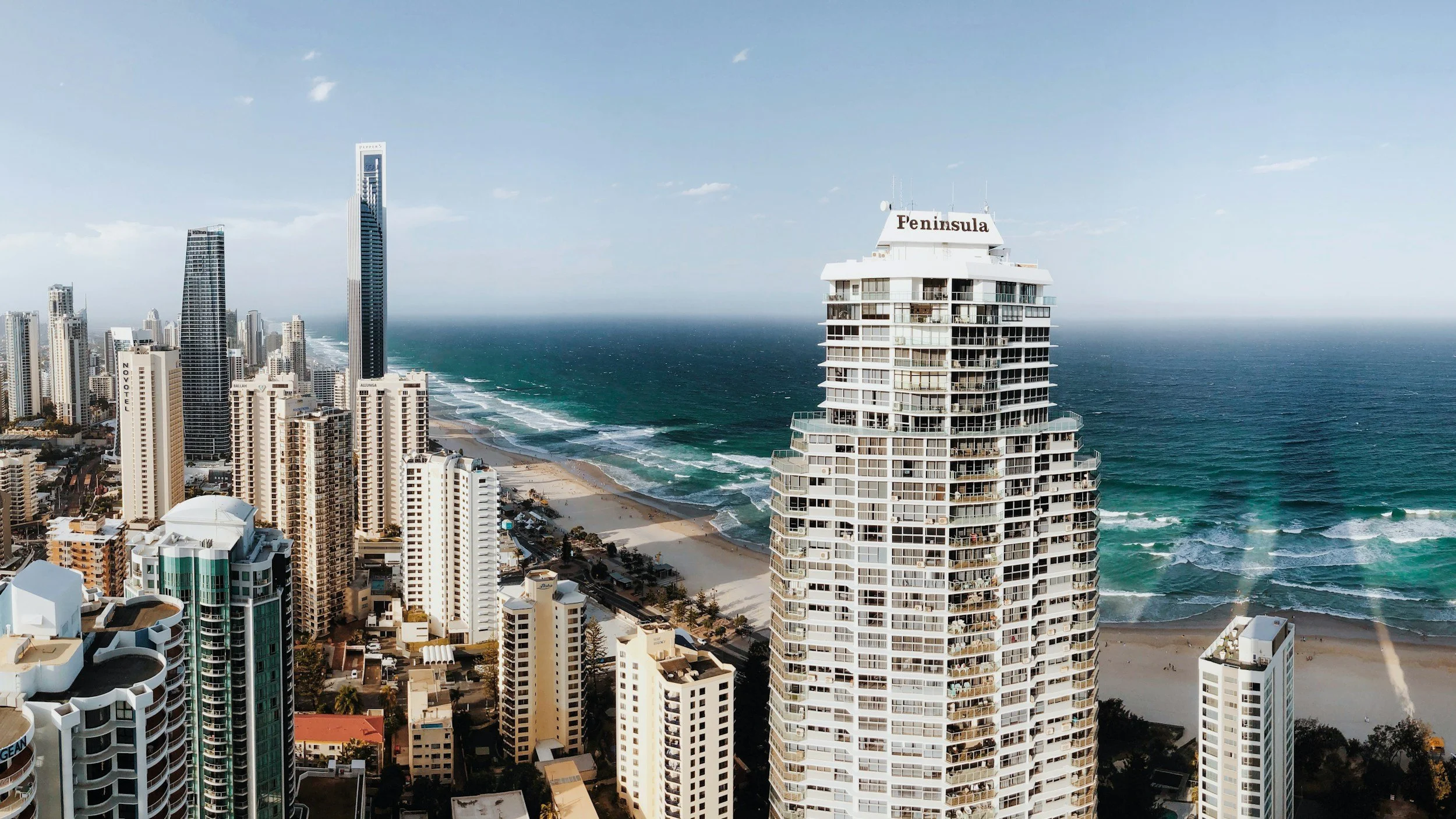
Aerial view of Surfers Paradise
Final Thoughts
The Gold Coast has a great deal to offer, and with thoughtful planning and growing community awareness, it is becoming increasingly accessible for people of all abilities.
From accessible beaches and inclusive recreation spaces to mobility-friendly public transport, small improvements can have a significant impact on independence, participation, and quality of life.
Accessibility is not simply about compliance — it is about ensuring everyone has the opportunity to enjoy their community safely, comfortably, and with dignity.
