
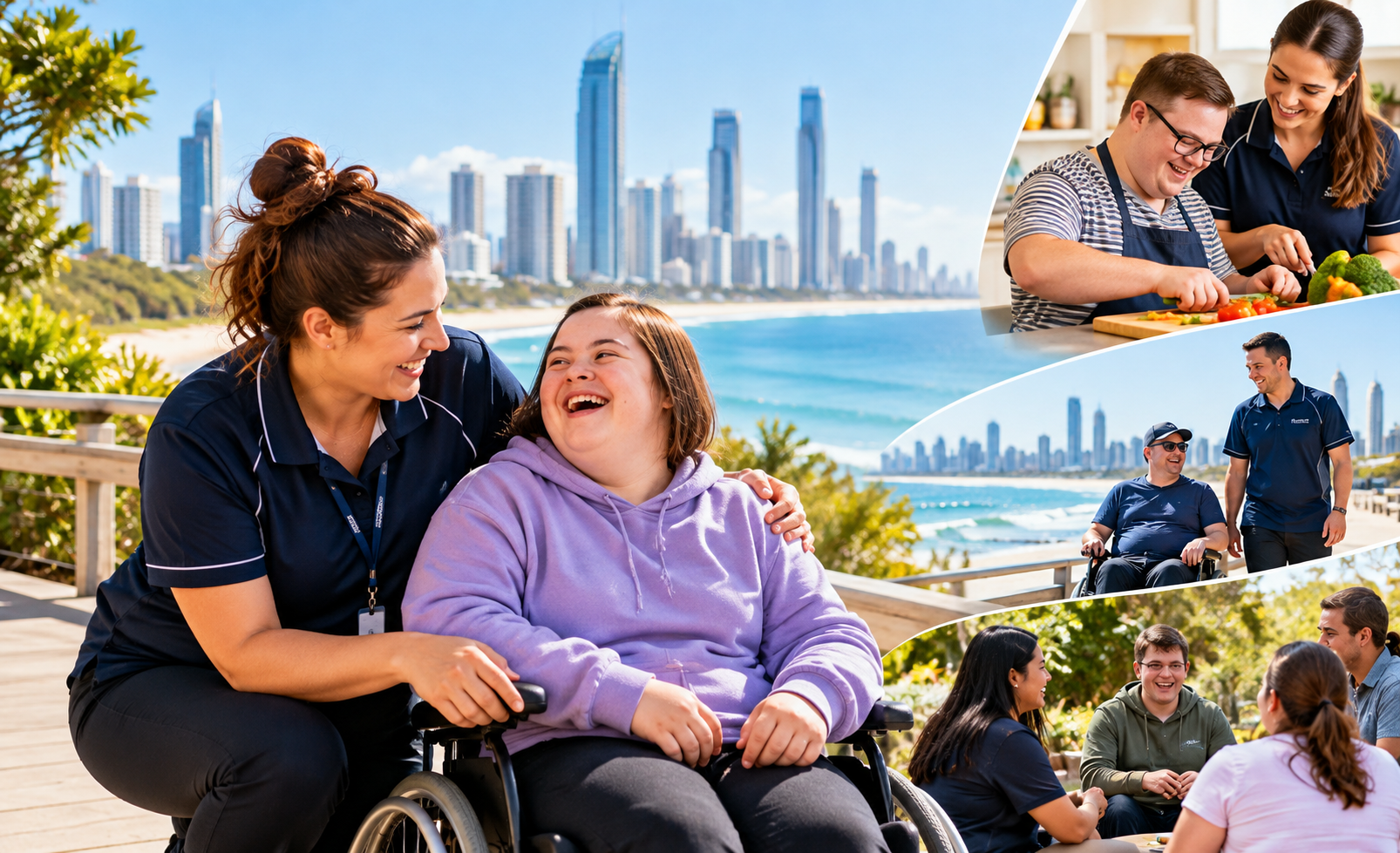
Having the right support can make a meaningful difference to everyday life. Whether you need assistance with personal care, household activities, getting out into the community, or developing daily living skills, an experienced support worker can help you work towards greater independence and confidence.
At Aruga Āwhina, we understand that every person has different needs, goals and preferences. Our approach to disability support focuses on treating each individual with dignity, respecting their choices and providing assistance that fits their everyday routine.
If you are looking for NDIS support workers on the Gold Coast, Aruga Āwhina provides disability support from Helensvale, Queensland. We aim to help NDIS participants access practical assistance that supports their personal goals, daily activities, and participation in the community.
NDIS Support Workers Gold Coast: Personalised Disability Support That Makes Everyday Life Easier
What Do NDIS Support Workers Do?
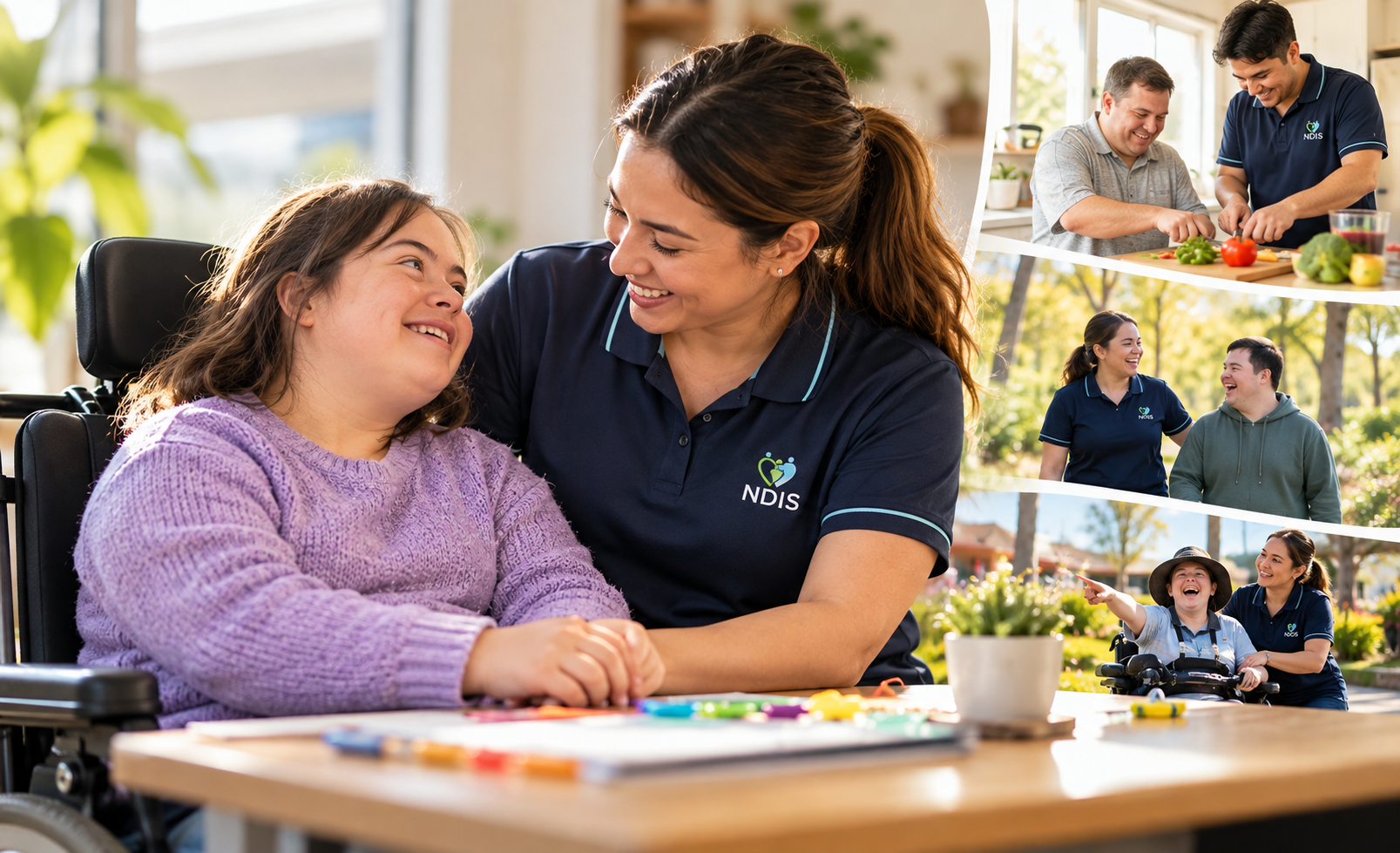
NDIS support workers assist people with disability with different activities and everyday responsibilities. The type of support depends on an individual's circumstances, goals, support needs, and NDIS plan.
Support may involve helping someone complete daily tasks, maintain personal hygiene, prepare meals, manage household activities or participate in community activities. Support workers can also encourage participants to develop practical skills and become more confident with activities they want to do independently.
The purpose of disability support is not simply to complete tasks for someone. It is also about providing the right level of assistance while respecting their decisions, preferences and independence.
NDIS Disability Support Services Available Through Aruga Āwhina
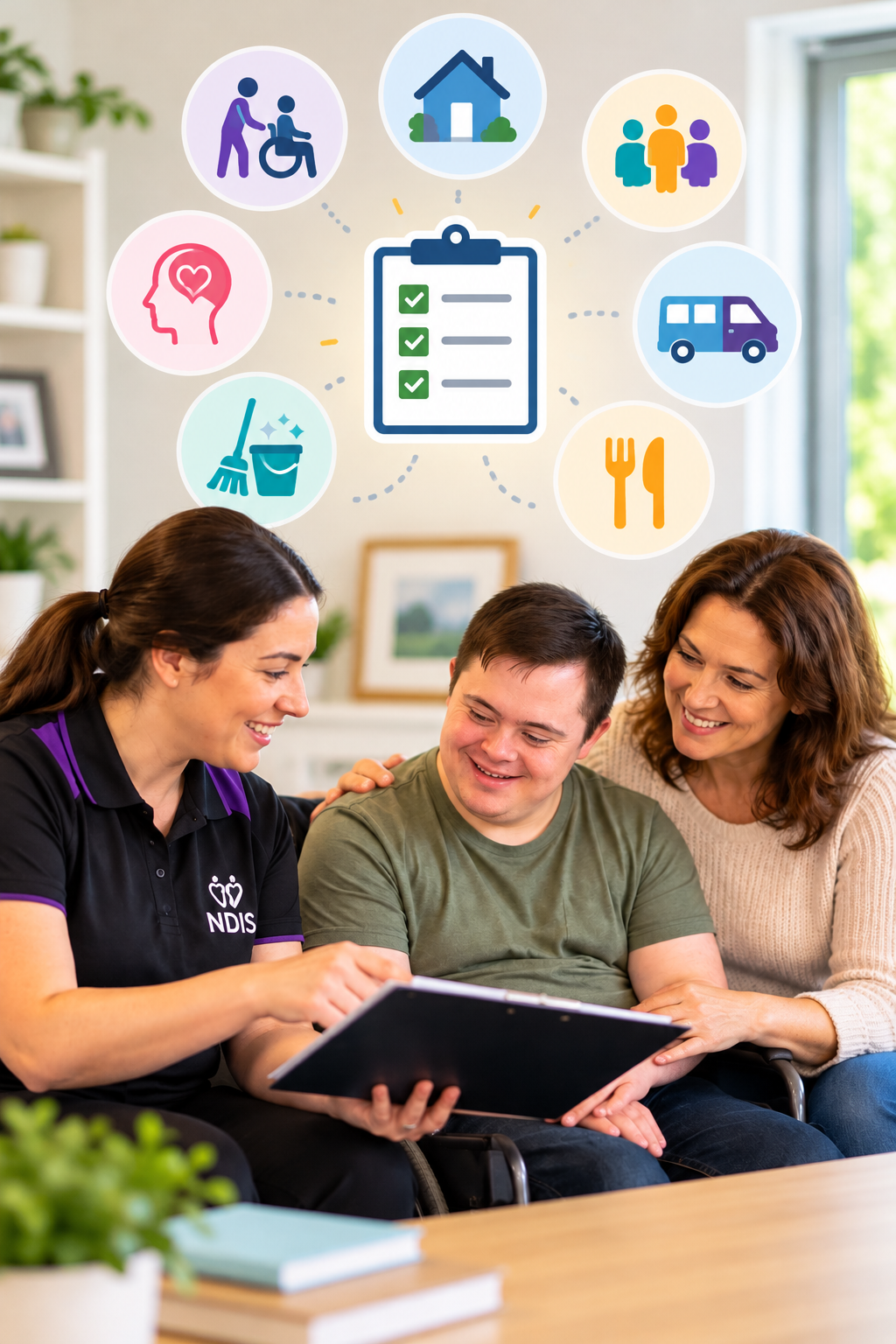
Aruga Āwhina supports participants with practical assistance across different areas of daily living. The support provided should reflect each person's individual needs, preferences and goals.
1. Personal Care and Daily Personal Activities
Personal care involves assistance with everyday activities related to personal hygiene, grooming and wellbeing. Depending on an individual's needs, this may include support with showering, dressing, grooming and other personal routines.
Support workers should always respect a participant's privacy, dignity and personal preferences when assisting. The goal is to make everyday personal activities more manageable while encouraging independence wherever possible.
Learn more about assistance with daily personal activities and how this type of support can help with everyday routines.
2. Assistance with Daily Tasks
Some people may need help managing everyday responsibilities at home or following a regular daily routine. NDIS support workers can provide assistance with suitable daily activities based on the participant's support requirements.
This may include helping someone organise their routine, complete everyday tasks, and build confidence in managing activities that are important to them. Support can be adjusted to encourage participation rather than taking away opportunities to practise independent living skills.
3. Meal Preparation
Preparing meals can involve several steps, including planning what to eat, organising ingredients and preparing food. For participants who need assistance, a support worker may help with suitable meal preparation activities.
This support can help make everyday meal routines more manageable while encouraging participants to take part in activities they are comfortable doing. The level of assistance depends on the individual's needs and preferences.
4. Household Tasks
Maintaining a clean and organised home can be challenging for people who experience barriers with everyday household activities. Support workers may assist with suitable household tasks to help participants maintain their living environment.
Depending on the agreed support, this may include activities such as cleaning, tidying, laundry, and other routine household responsibilities. Assistance should be based on the participant's needs and the supports available through their NDIS plan.
Find out more about household tasks support and how assistance around the home can contribute to everyday living.
5. Community Access and Social Participation
Being part of the community can help people build connections, explore interests and take part in activities that matter to them. Some participants may need support to access community activities or attend appointments and social outings.
Support workers can assist participants to take part in suitable activities based on their interests, goals,s and individual support arrangements. This may help make community participation more accessible and support opportunities to develop social connections.
6. Development of Life Skills and Transitions
Developing everyday skills can help participants become more confident in managing different parts of their lives. Support may focus on practising daily routines, learning practical tasks and building skills that are relevant to personal goals.
Support workers can encourage participants to take an active role in learning and practising activities at a pace that suits them. The aim is to support greater choice, confidence and participation in everyday life.
7. Transport Assistance
Accessing transport can be important for attending appointments, taking part in community activities and completing everyday errands. Where included in the participant's support arrangements, assistance with travel can help make these activities more accessible.
Transport-related support should reflect the participant's needs, the purpose of the journey and the arrangements agreed for their support.
8. Support Coordination
Understanding and organising NDIS supports can involve several steps. Support coordination helps participants understand their available supports and work towards putting suitable services and arrangements in place.
The type of assistance available depends on the participant's circumstances and funded supports. Participants can discuss their support coordination needs to understand what options may be appropriate.
9. Supported Independent Living (SIL)
Supported Independent Living, commonly known as SIL, is an NDIS support designed for eligible participants who need assistance with daily tasks while living independently or sharing a home with others.
Support may involve help with personal activities, daily routines and other tasks associated with everyday living. SIL funding and arrangements depend on individual circumstances and the NDIS assessment and planning process.
10. Individualised Living Options (ILO)
Individualised Living Options, or ILO, is an approach that allows eligible participants to explore living arrangements suited to their preferences, needs and goals. It focuses on developing a personalised living arrangement and the supports that may help make it work.
People considering different accommodation and support arrangements should explore their options and discuss their circumstances with their NDIS contacts and relevant providers.

Good disability support considers what a participant can already do, what they would like to learn, and where assistance may be useful. Rather than making every decision or completing every activity for the participant, support workers can encourage involvement and provide help where needed.
For example, a participant who wants to become more confident preparing meals may benefit from practising suitable steps with support. Someone who wants to improve their daily routine may work with a support worker to organise and practise everyday activities.
Support should be flexible enough to recognise that a person's needs can change. Regular communication and a clear understanding of personal preferences can help make support more appropriate and meaningful.
How NDIS Support Workers Help Build Everyday Independence
Who Can Benefit from NDIS Disability Support?
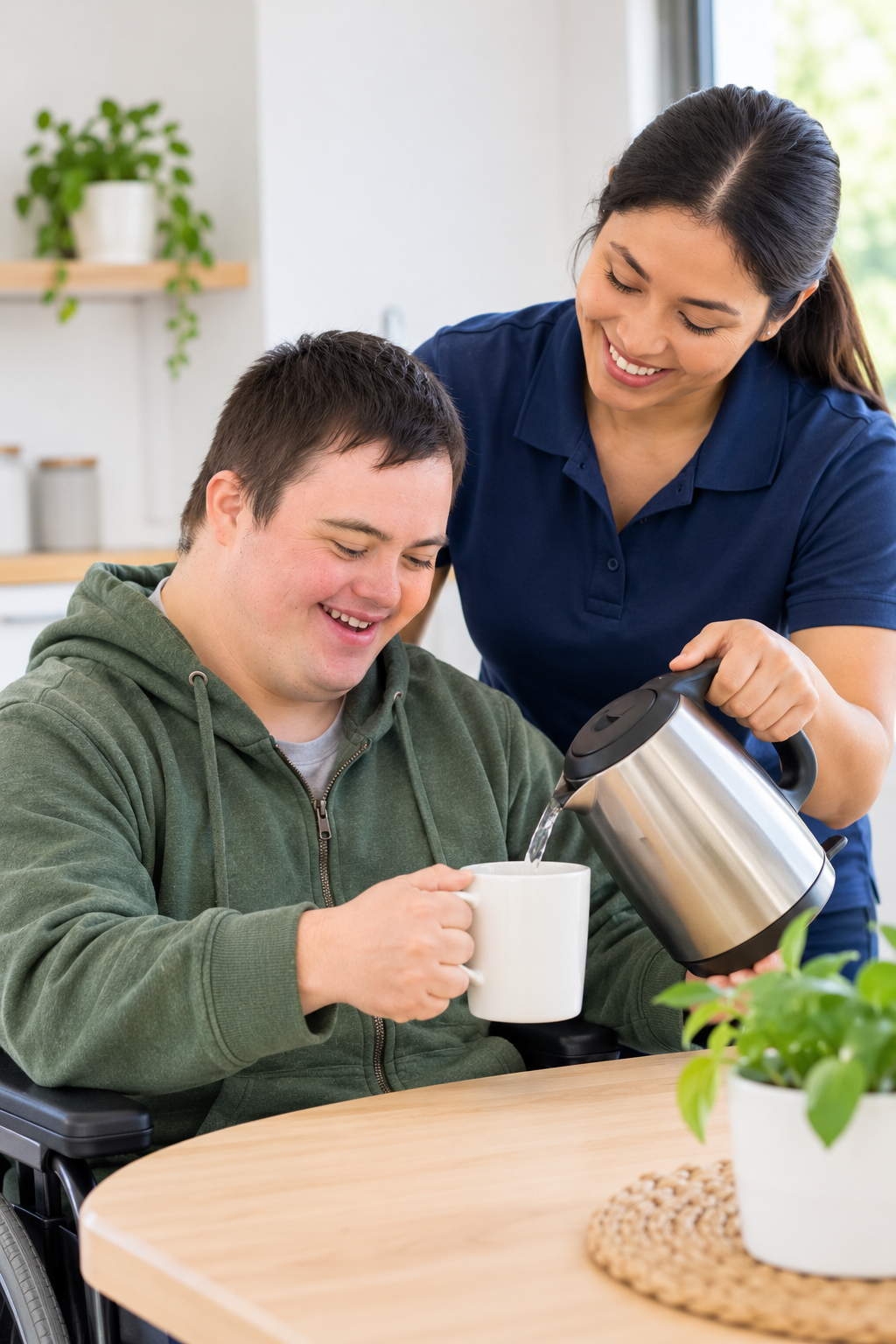
NDIS disability support may assist eligible participants who need help with everyday activities because of their disability. The type and level of support will depend on individual circumstances, functional support needs, goals, and approved NDIS funding.
Support may be relevant to people who:
Need assistance with personal care or daily routines.
Would benefit from help completing suitable household tasks.
Need support with meal preparation and everyday activities.
Want assistance accessing community activities and social opportunities.
Would like to develop practical life skills.
Are exploring supported living arrangements.
Need help understanding or coordinating their available supports.
Not every participant will require the same services. The most appropriate support is the one that reflects the person's needs, preferences, and goals.
Choosing the Right NDIS Support Workers on the Gold Coast
Choosing a disability support provider is an important decision. Participants and families should have an opportunity to understand how support will be delivered and whether the provider's approach is suitable for their circumstances.
Here are some useful points to consider when exploring NDIS support workers on the Gold Coast.
Understand Your Support Needs

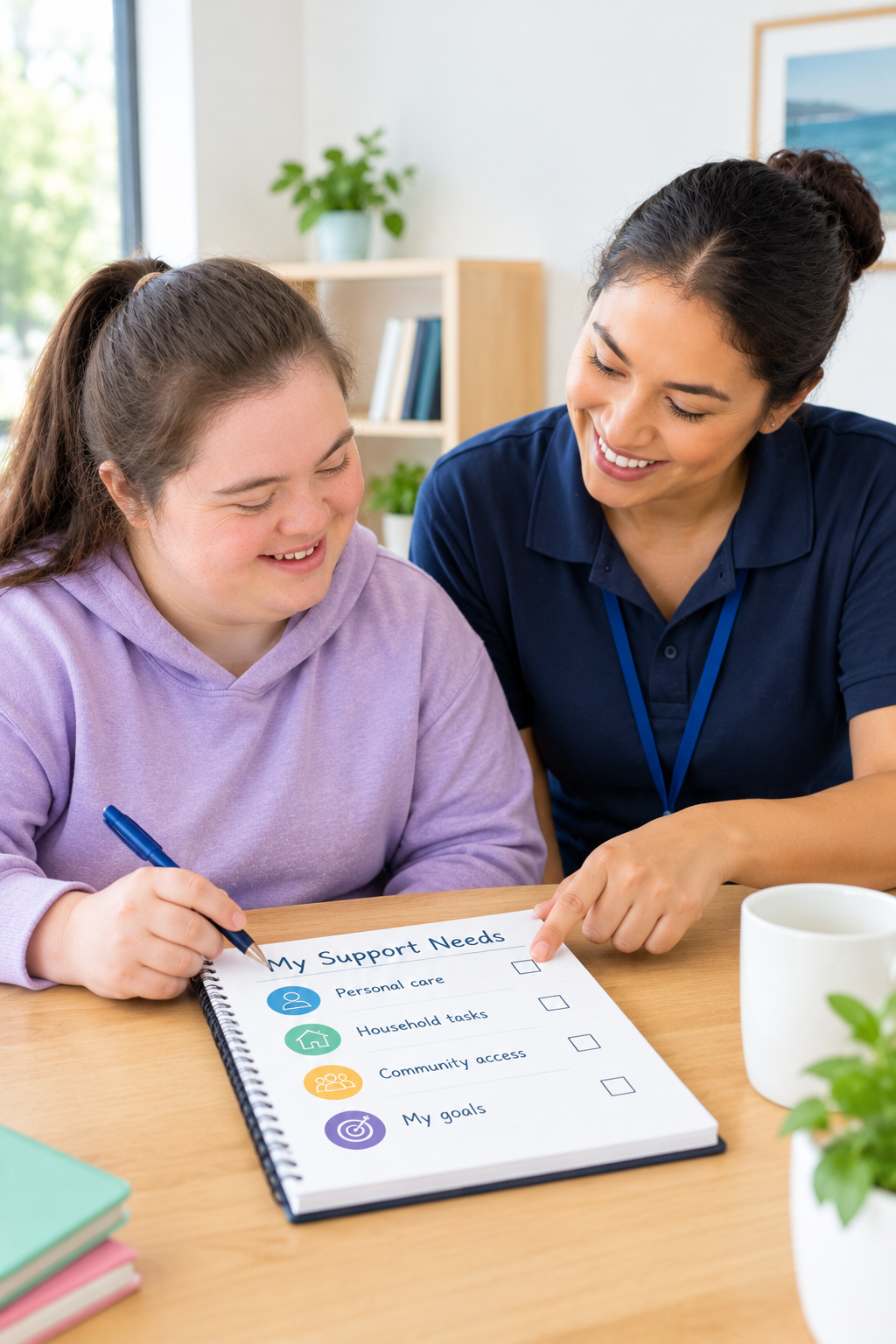
Start by identifying the activities you need assistance with and the goals you would like to work towards. Consider whether you need support with personal care, household responsibilities, community access, or other daily activities.
Look for a Person-Centred Approach
Your preferences and decisions should be respected. Look for a provider that takes the time to understand your circumstances and considers your choices when discussing support arrangements.

Discuss Communication and Support Arrangements
Clear communication helps participants and families understand what support involves. Ask how services are arranged, how changes can be discussed, and who to contact if you have questions about your support.
Check That Services Match Your Requirements
Not every provider offers the same services or support arrangements. Discuss your needs directly with the provider and confirm whether the assistance you are looking for can be considered within their service offering and your NDIS plan.
NDIS Support Workers in Helensvale and the Gold Coast
Aruga Āwhina is based in Helensvale, Queensland, and focuses on providing disability support that recognises the needs and choices of each participant. Our local base provides a starting point for people exploring NDIS support in Helensvale and the wider Gold Coast area.
Whether you are looking for help with personal activities, daily living tasks, meal preparation or household responsibilities, it is important to discuss your requirements and understand what support may be suitable.
Our approach centres on dignity, respect, choice, and meaningful support. We recognise that every participant has their own routines, interests and goals, and these should guide conversations about their support.
Understanding NDIS Funding for Support Workers
NDIS funding is based on a participant's individual circumstances, support needs and approved plan. The supports included in a plan determine what assistance may be funded and how participants can use their funding.
Before arranging services, review your plan and consider which supports are relevant to your goals. You may also speak with your support coordinator, plan manager or the NDIA if you need help understanding your funding and available options.
For a broader overview of available assistance, explore our NDIS disability support services and the different ways support may help with everyday life.
Why Choose a Person-Centred Approach to Disability Support?
Disability support should recognise the person first, not define them by their support needs. Every participant has individual strengths, interests, preferences and goals that deserve to be respected.
A person-centred approach means listening to participants, involving them in decisions and respecting how they want their support delivered. It also means recognising that independence looks different for everyone.
For some people, independence may mean completing more daily activities without assistance. For others, it may mean having the right support to make decisions, maintain relationships, access the community or feel more comfortable at home.
At Aruga Āwhina, we believe support should be guided by what matters to the individual and should contribute positively to their everyday life.
Get Started with NDIS Support Workers on the Gold Coast
If you or someone you care for is exploring disability support, the first step is to discuss the assistance required and the goals you would like to work towards. This can help identify which services may be suitable and whether they align with the participant's NDIS plan.
Aruga Āwhina welcomes enquiries from NDIS participants, families and carers who would like to learn more about available support. You can discuss your circumstances, ask questions about services and explore possible next steps.
Contact Aruga Āwhina
Phone: 0412 439 555
Address: 8 Oyster Cove Promenade, Helensvale, QLD 4212
Website: https://www.arugaawhina.com.au/
Take the next step towards finding NDIS support that respects your choices and helps you work towards the everyday life you want.
Frequently Asked Questions
1. What do NDIS support workers do on the Gold Coast?
NDIS support workers assist eligible participants with activities such as personal care, daily living tasks, meal preparation, household activities, and community participation. The support provided depends on the participant's needs, goals and NDIS plan.
2. What disability support services does Aruga Āwhina offer?
Aruga Āwhina's support offering includes personal care, assistance with daily tasks, meal preparation, household tasks, community access, life skills development, transport assistance, support coordination, Supported Independent Living and Individualised Living Options.
3. Can NDIS support workers help with personal care and household tasks?
Yes. Depending on the participant's needs and funded supports, assistance may include personal hygiene, dressing, grooming, cleaning, laundry and other suitable everyday activities.
4. How do I know if I can access NDIS support workers?
Access to NDIS-funded support depends on your NDIS eligibility, individual circumstances and approved plan. Review your plan and speak with the NDIA or your support coordinator to understand which supports may be available to you.
5. How can I enquire about NDIS support workers with Aruga Āwhina?
You can contact Aruga Āwhina on 0412 439 555 or visit the website at https://www.arugaawhina.com.au/. You can discuss your support needs, ask about available services, and explore possible next steps.