
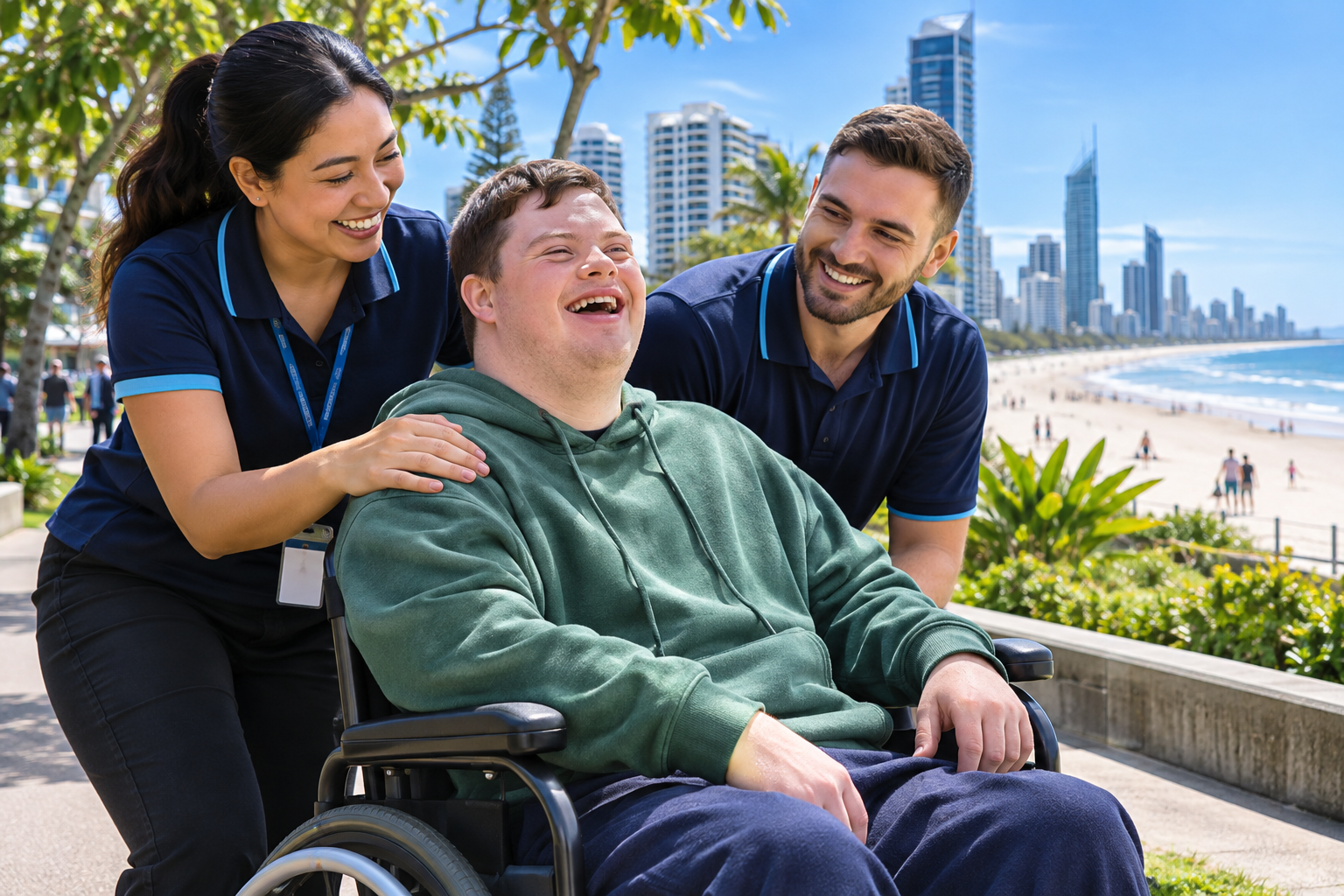
Disability Support Gold Coast: Personalised NDIS Services That Put You First
Finding the right disability support can make a meaningful difference in your everyday life. Whether you need assistance with personal activities, household tasks, community participation, or developing independent living skills, having the right support can help you feel more confident, capable,e and connected.
At Aruga Āwhina, we understand that every person has different goals, preferences and support requirements. We provide personalised disability support on the Gold Coast, with a focus on respecting your choices, promoting independence and helping you participate in the activities that matter to you.
Our approach is centred on understanding what matters to you and providing support that fits your daily routine, individual needs and NDIS goals.
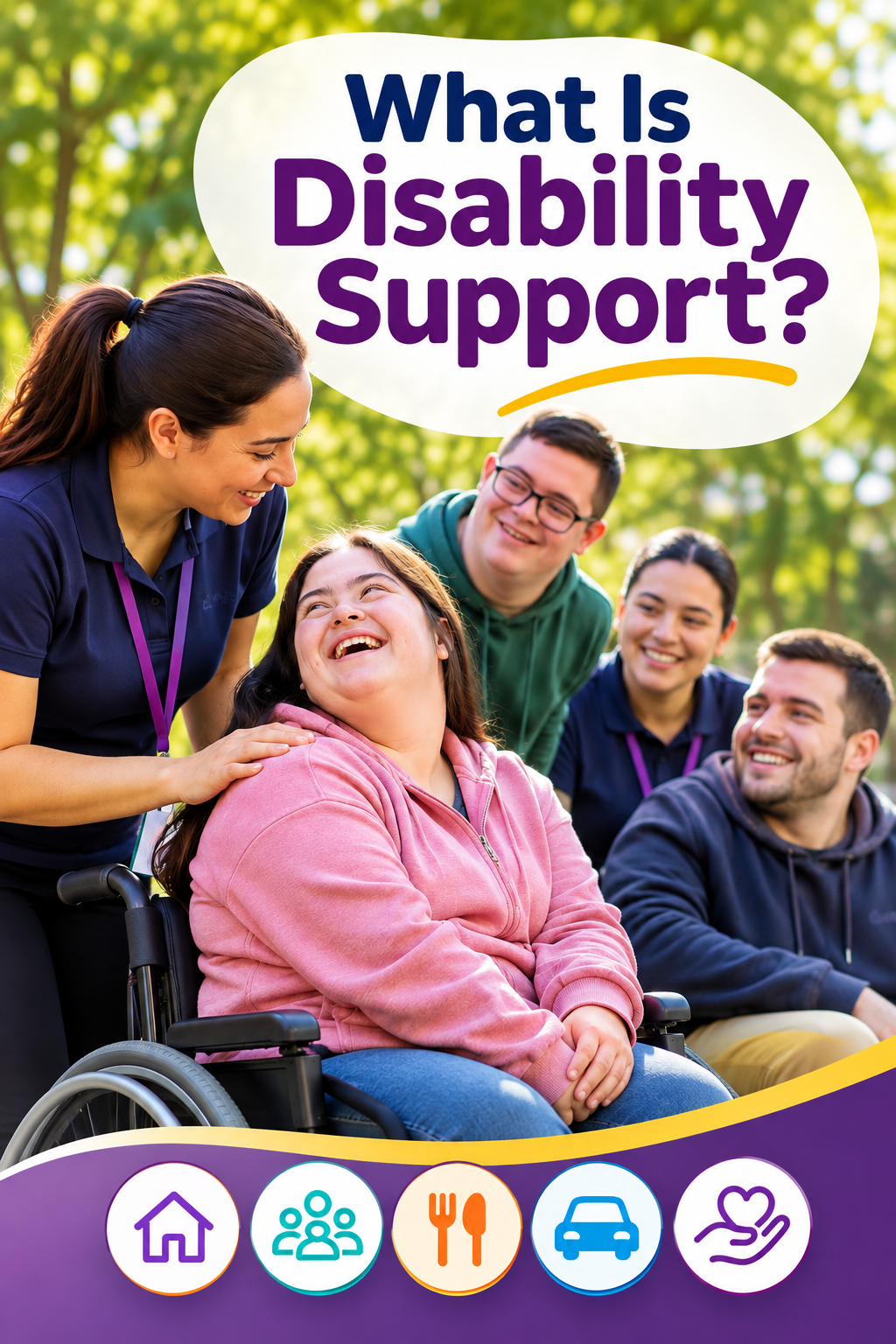
What Is Disability Support?
Disability support refers to assistance provided to people living with disability to help them manage everyday activities, develop practical skills and participate more fully in their communities.
For NDIS participants, disability support may include help with personal care, daily living activities, preparing meals, maintaining a home, accessing the community and building independence. The type and level of assistance depend on each person's circumstances, preferences and available NDIS funding.
Good disability support is not about taking over someone's daily life. It is about providing the right assistance while respecting their abilities, decisions and right to make choices.
At Aruga Āwhina, we aim to provide support that recognises each person's strengths and encourages greater confidence and independence.
Our Disability Support Services on the Gold Coast
Every participant has different support requirements. Some people may need regular assistance with everyday activities, while others may want help accessing their community or developing skills for greater independence.
Aruga Āwhina offers a range of disability support services designed to assist participants with different aspects of daily living.
NDIS Support Workers Gold Coast: Providing Everyday Assistance
NDIS support workers play an important role in helping participants manage everyday activities and work towards their personal goals.
They can provide practical assistance while encouraging participants to make choices, develop skills, and maintain control over their daily routines.
The type of assistance may vary depending on the participant's support requirements. Some people need help with personal activities, while others may benefit from assistance with household responsibilities, community participation or independent living skills.
At Aruga Āwhina, we recognise the importance of respectful and person-centred support. Our focus is on understanding what each participant needs and providing assistance that aligns with their preferences and goals.
Supported Independent Living (SIL) on the Gold Coast:
Some NDIS participants may require ongoing assistance with daily activities while living in a shared or individual home environment.
Supported Independent Living (SIL) is an NDIS support option that can assist eligible participants who need help with everyday tasks and supervision at home. The support is designed around individual requirements and can help participants develop or maintain their daily living skills.
SIL is not the same as a type of accommodation. Instead, it refers to support with everyday activities in the home, with arrangements based on a participant's needs and NDIS plan.
Who Can Benefit from Disability Support Services?
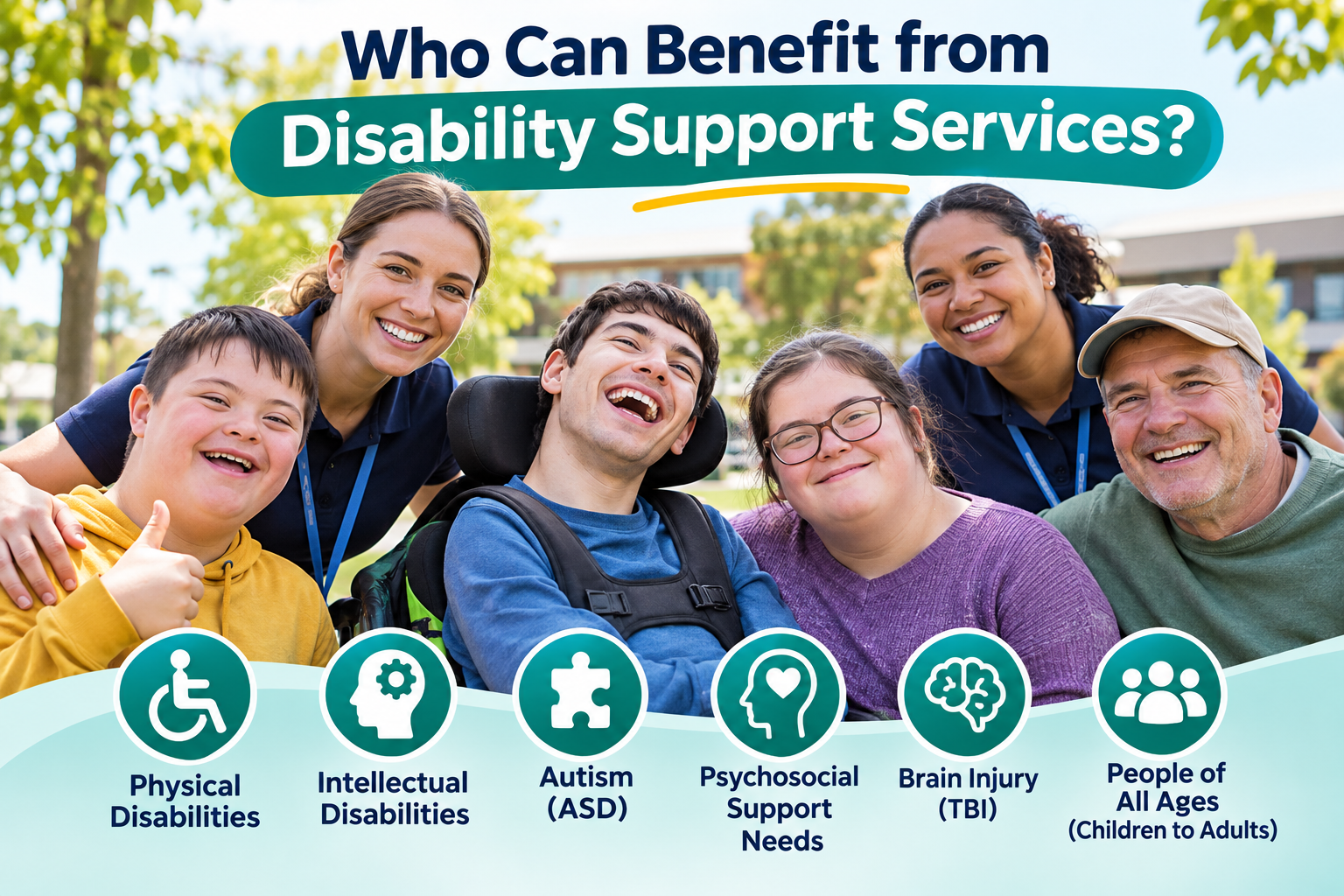
Disability support services may benefit people with different disabilities and support requirements. The type of assistance needed will depend on each person's circumstances, daily activities, and personal goals.
Support may be relevant to people living with:
Physical disabilities that affect mobility or everyday activities.
Intellectual disabilities that create challenges with daily living or learning new skills.
Autism spectrum disorder (ASD) and related support requirements.
Acquired brain injuries or traumatic brain injuries (TBI).
Psychosocial and mental health-related support needs.
Dementia and other conditions that affect everyday functioning.
These are examples of circumstances in which disability support may be helpful. They do not automatically determine eligibility for a particular service or NDIS funding. Support arrangements should be discussed and considered individually.
Benefits of Choosing Personalised Disability Support
The right disability support can make everyday activities more manageable while helping participants work towards greater independence.
Here are some ways personalised support may make a difference.
How to Choose the Right Disability Support Provider on the Gold Coast
Choosing a disability support provider is an important decision. The right provider should understand your requirements, communicate clearly, and respect your choices.
Before selecting a provider, consider the following factors:
1. Understand Your Support Requirements
Start by identifying the activities you need help with. These may include personal care, household tasks, meal preparation, community access,s or assistance with independent living.
Understanding your priorities can help you identify which services are most relevant.
2. Check the Available NDIS Funding
Review your NDIS plan to understand which supports are funded and how they relate to your goals. If you are unsure, you can discuss your options with your support coordinator or the appropriate NDIS contact.
3. Ask About the Services Provided
Not every provider offers the same services. Ask about the types of assistance available and whether the provider can accommodate your individual requirements.
4. Look for Person-Centred Support
A suitable provider should listen to your preferences and involve you in decisions about your support. You should feel comfortable discussing your needs, routines and goals.
5. Discuss Communication and Support Arrangements
Clear communication helps participants understand what to expect from their services. Discuss scheduling, support arrangements, changing needs, and how concerns can be raised.
6. Review Your Options Before Making a Decision
Take time to compare providers and ask questions. Choosing a service that aligns with your needs and preferences can help establish a more suitable support arrangement.
Why Consider Aruga Āwhina for Disability Support on the Gold Coast?
Choosing disability support is about more than finding someone to help with everyday tasks. It is about working with a provider that recognises your individuality, respects your decisions, and understands the importance of meaningful support.
At Aruga Āwhina, our approach focuses on providing personalised assistance that considers each participant's circumstances, preferences and goals.
We recognise that every person has different abilities and support requirements. That is why support arrangements should be guided by individual needs rather than a one-size-fits-all approach.
Our focus includes:
Respect and dignity: Supporting participants in a way that values their individuality and personal choices.
Person-centred assistance: Considering each person's needs, preferences and goals when discussing support arrangements.
Everyday independence: Encouraging participants to take an active role in daily activities and skill development.
Meaningful participation: Recognising the importance of community access, social connections and personal interests.
Individual support needs: Understanding that the right assistance can look different for every participant.
Based in Helensvale, Aruga Āwhina supports people seeking disability support across the Gold Coast. We encourage participants and families to discuss their requirements so they can explore suitable support options.
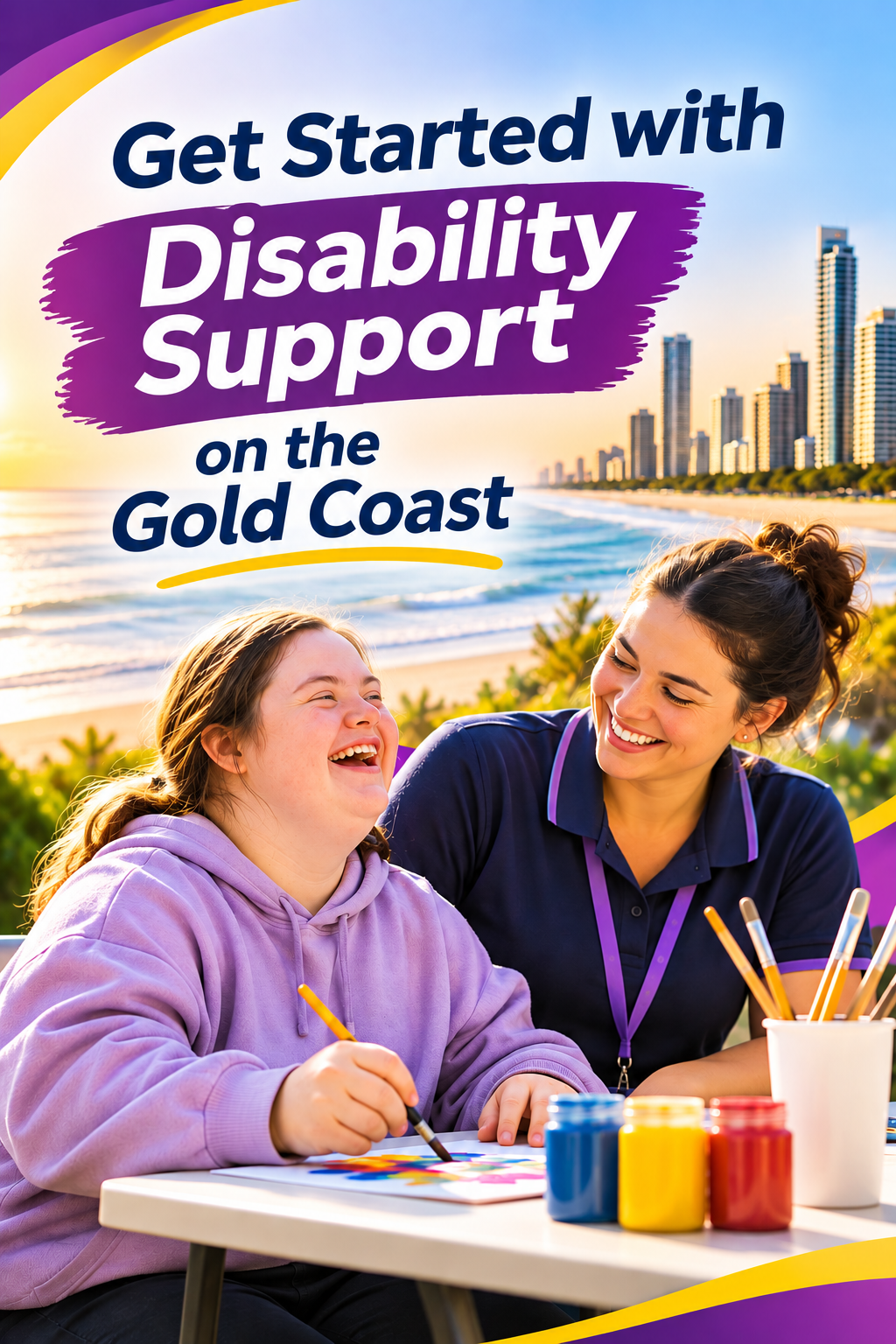
Get Started with Disability Support on the Gold Coast
If you or someone you care about is looking for disability support on the Gold Coast, finding the right assistance is an important first step.
Whether you need help with personal activities, household responsibilities, meal preparation, community participation, or independent living, Aruga Āwhina can help you explore the available support options.
Every support journey starts with understanding what matters to you. Get in touch with Aruga Āwhina to discuss your circumstances, ask questions, and explore the services that may suit your needs.
Aruga Āwhina
Phone: 0412 439 555
Address: 8 Oyster Cove Promenade, Helensvale, QLD 4212
Website: https://www.arugaawhina.com.au/
Frequently Asked Questions About Disability Support Gold Coast
1. What are disability support services?
Disability support services provide assistance to people living with disability so they can manage everyday activities, develop practical skills and participate in their communities. Depending on individual needs, support may include personal care, household assistance, meal preparation, transport and community participation.
2. What disability support services can I access through the NDIS?
Depending on your NDIS plan, goals and eligibility, funded supports may include assistance with daily personal activities, household tasks, community participation, transport-related needs, life skills development and supported independent living. The supports available will depend on your individual circumstances and plan.
3. How do I find disability support on the Gold Coast?
You can start by identifying the assistance you need and reviewing your NDIS plan. Compare local providers, ask about their services,s and discuss how they approach personalised support. Choose a provider that communicates clearly and respects your preferences.
4. Can NDIS support workers help with everyday activities?
Yes. Depending on the participant's needs and funded supports, NDIS support workers may assist with activities such as personal care, meal preparation, household tasks, daily routines and community participation. The assistance provided should reflect the participant's individual support arrangements.
5. Does Aruga Āwhina provide disability support in Helensvale and the Gold Coast?
Aruga Āwhina is based in Helensvale, Queensland, and provides disability support services for people seeking assistance on the Gold Coast. Contact the team on 0412 439 555 to discuss your location, support requirements, ts and available service options.