
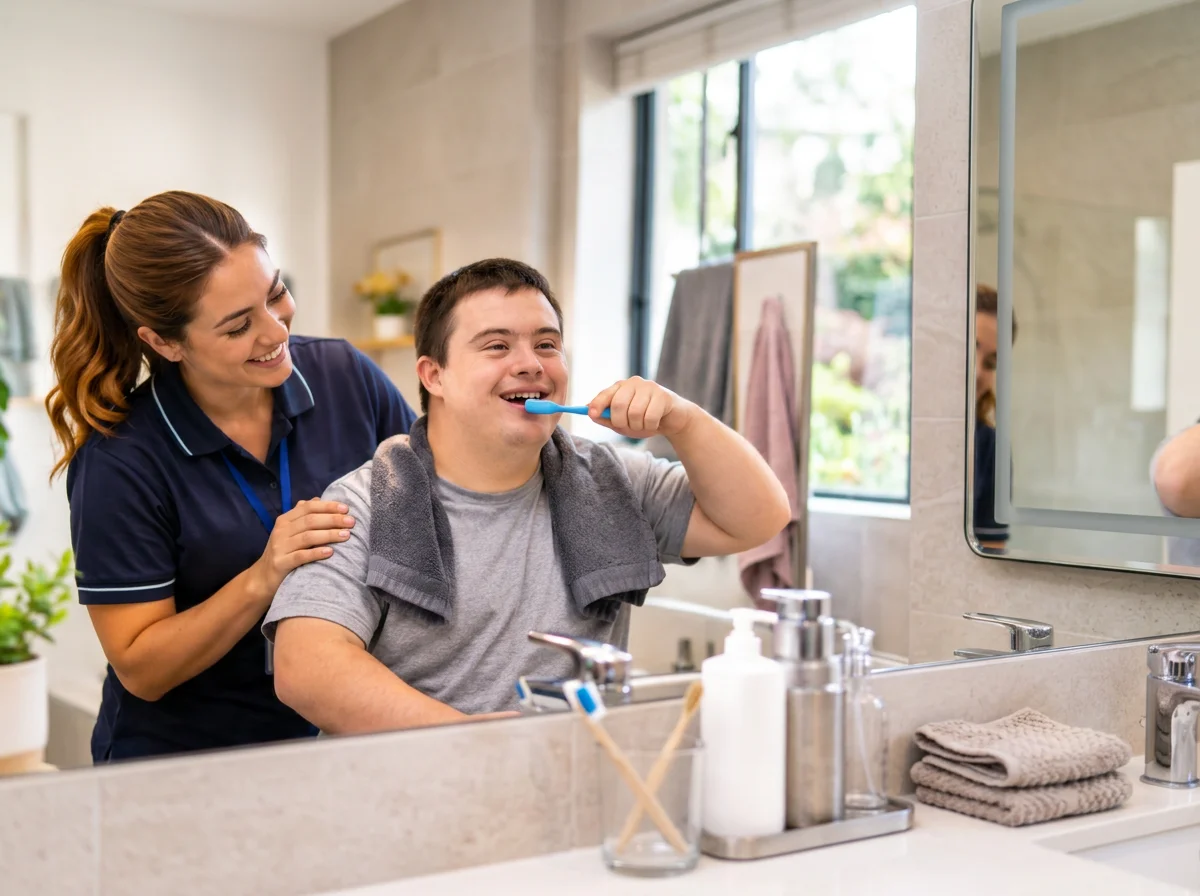
Assistance with Daily Personal Activities
Personalised NDIS Personal Care Support on the Gold Coast
Everyone deserves to feel comfortable, respected, and confident when completing their daily personal activities. For people living with disability, some everyday tasks may require additional assistance. The right support can make these activities more manageable while helping participants maintain their independence, privacy and dignity.
Aruga Āwhina provides personalised disability support services across the Gold Coast, including assistance with daily personal activities. Our approach focuses on understanding each participant's individual needs, preferences and routines. We work alongside participants to provide support that respects their choices and encourages them to take an active role in their daily lives.
Whether you need help with personal hygiene, showering, dressing, or other everyday personal care activities, support can be tailored to suit your circumstances and goals.
What Is Assistance with Daily Personal Activities?
Assistance with daily personal activities refers to support with everyday personal care tasks that a person may find difficult to complete independently because of their disability. Under the NDIS, this type of assistance may form part of a participant's support arrangements, depending on their individual needs, goals and plan.
Personal care support is not about taking over someone's daily routine. It is about providing the appropriate level of assistance while respecting their independence, preferences and personal boundaries
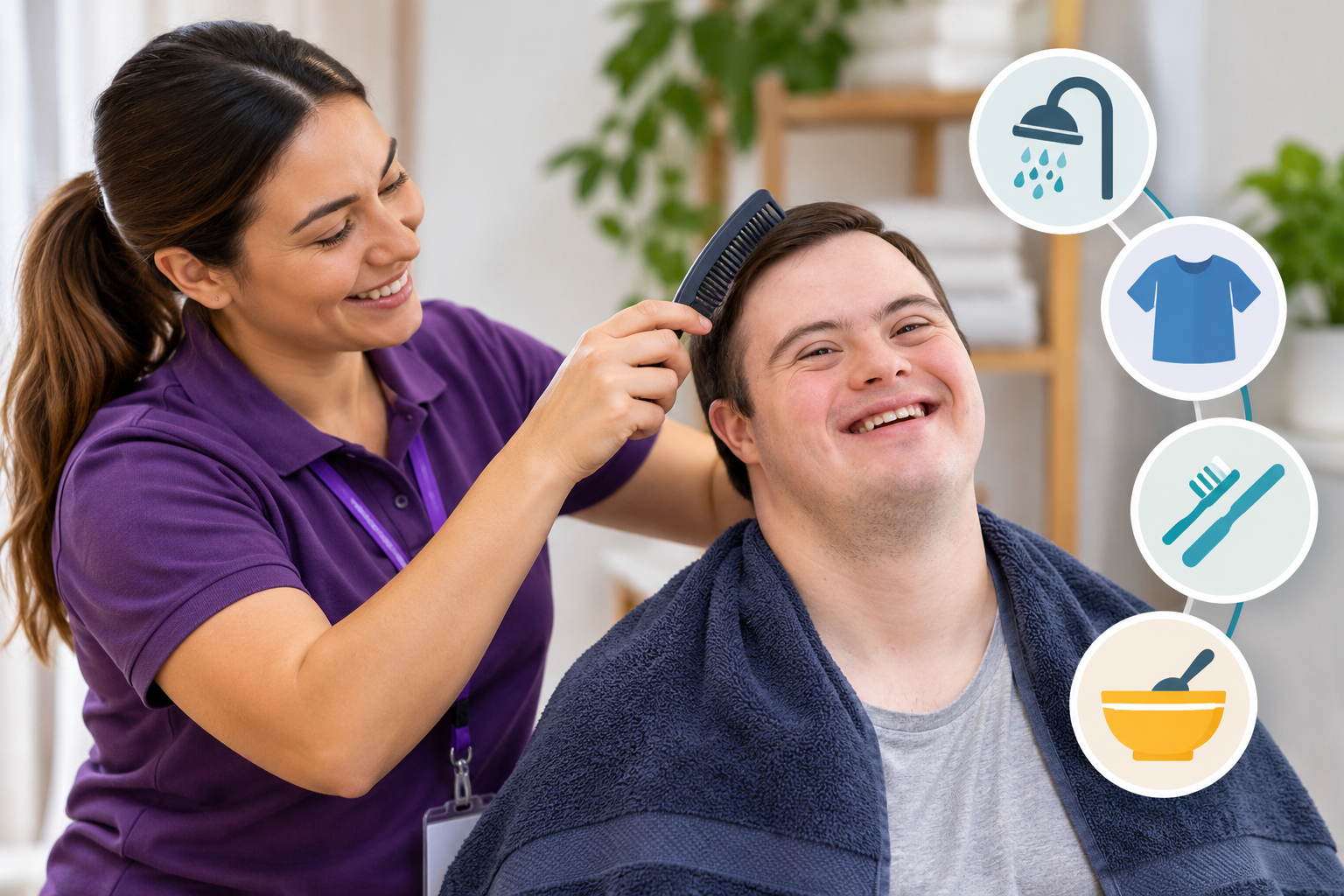
Depending on the participant's requirements, support may include:
Assistance with showering and bathing.
Personal hygiene and grooming.
Help with dressing and changing clothes.
Assistance with toileting and continence-related routines.
Support with maintaining personal cleanliness.
Help with establishing and following daily personal care routines.
The type and level of assistance will depend on the participant's circumstances. Some people may need occasional guidance, while others may require more regular hands-on support.
What Personal Care Support Can Include
Personal care is an individual experience. Each participant has different preferences, abilities, and routines, so support should be planned around what works best for them.
How Personal Care Support Helps Maintain Independence
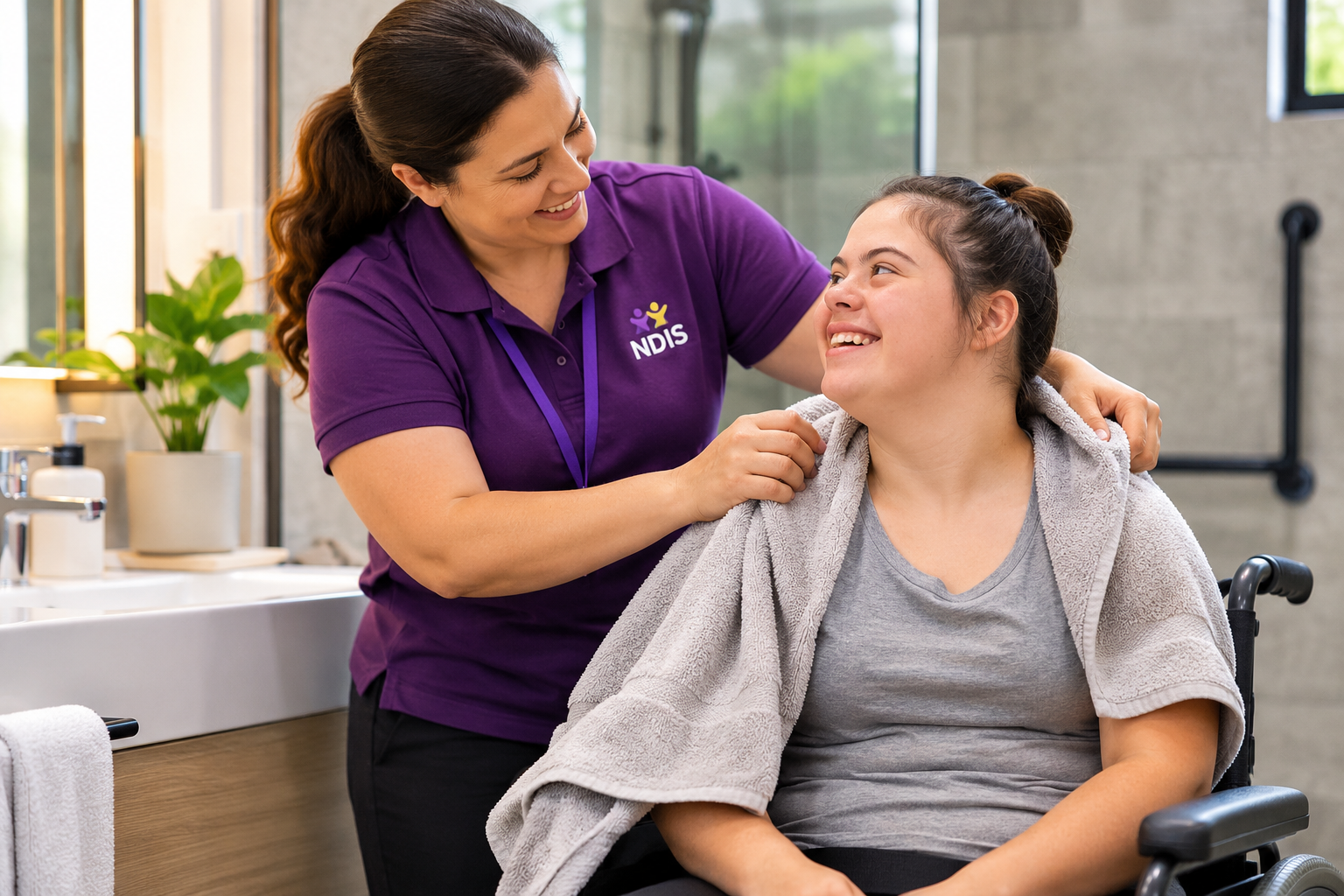
Receiving assistance with personal activities does not mean giving up independence. With the right support, participants can continue making decisions, practising everyday skills and taking an active role in their routines.
Personalised assistance can help participants:
Maintain everyday routines: Regular support can make personal care activities easier to organise and complete.
Build confidence: Having appropriate assistance can help participants feel more comfortable managing daily activities.
Practise independence: Support workers can encourage participants to complete tasks themselves wherever possible.
Maintain dignity and privacy: Respectful assistance recognises personal boundaries, preferences and individual choices.
Exercise greater control: Participants can communicate how they prefer to receive support and remain involved in decisions about their care.
The goal is not to complete every task for the participant. It is to provide assistance that supports their abilities and helps them work towards their personal goals.
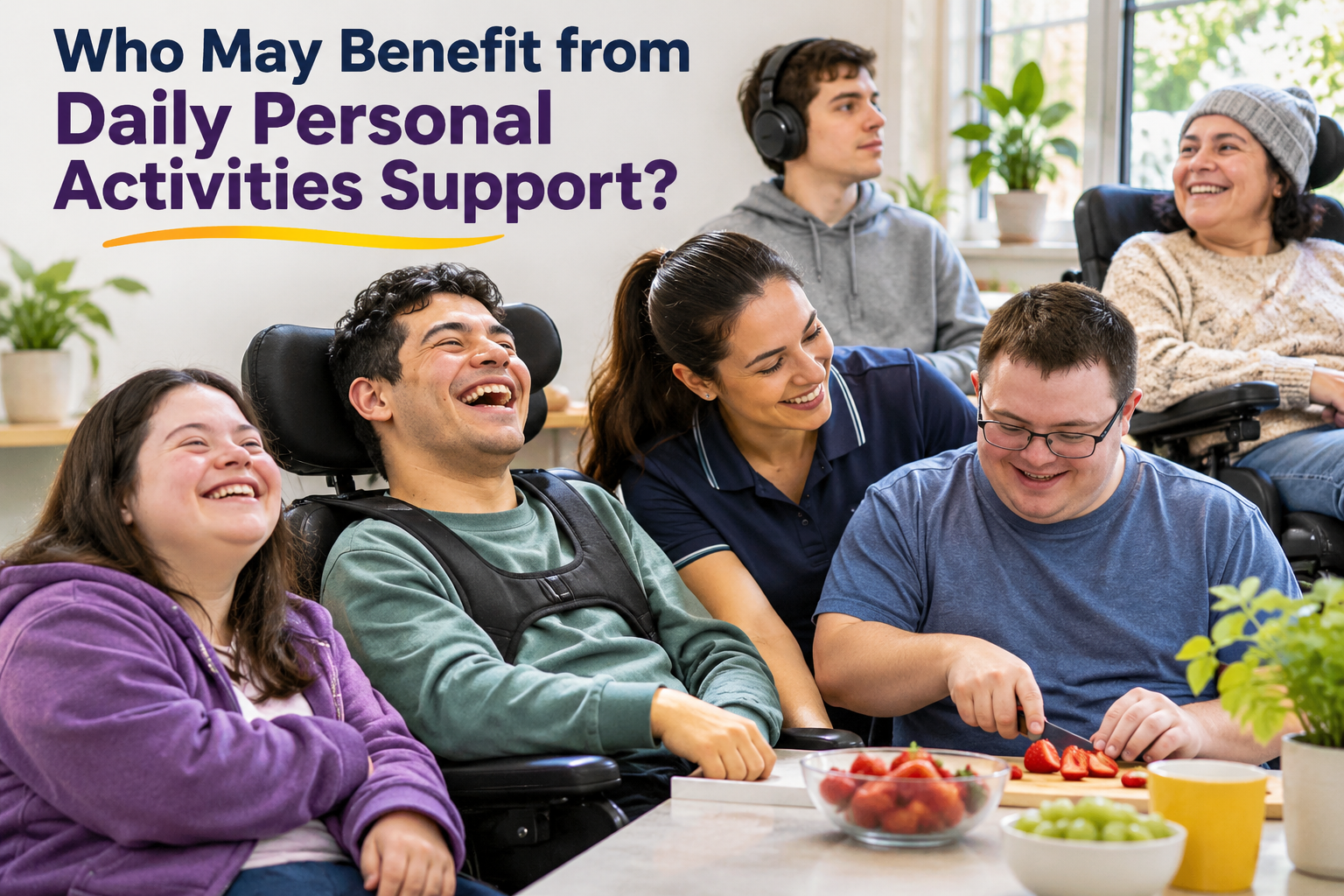
Who May Benefit from Daily Personal Activities Support?
-
Who May Benefit from Daily Personal Activities Support? -
Daily personal activities support may be suitable for NDIS participants who need assistance with personal care because of their disability or support needs.
This may include people who experience:
Physical disabilities that affect movement or coordination.
Intellectual disabilities that affect some daily routines.
Acquired or other disabilities that create personal care support needs.
Mobility or balance challenges.
Difficulties completing personal hygiene and dressing tasks independently.
Every participant's situation is different. The appropriate support will depend on their individual circumstances, preferences, and NDIS plan.
The Role of NDIS Support Workers in Personal Care
NDIS support workers can assist participants with personal activities while respecting their choices and encouraging independence. Their role may involve providing practical assistance, following agreed routines, and communicating with participants about how they prefer their support to be delivered.
A respectful support worker should:
Listen to the participant and understand their preferences.
Respect privacy and personal boundaries.
Explain support activities and seek the participant's agreement.
Encourage independence where appropriate.
Follow agreed support arrangements.
Communicate respectfully and clearly.
Finding the right support worker can make a meaningful difference to the participant's everyday experience. Learn more about NDIS support workers on the Gold Coast and the role they can play in personalised disability support.
Personalised Daily Personal Activities Support with Aruga Āwhina
At Aruga Āwhina, we understand that no two people have the same needs, preferences or goals. Our approach is centred on working alongside participants, rather than making decisions for them.
We provide personalised NDIS disability support services across the Gold Coast, including assistance with daily personal activities. We aim to understand each participant's preferred routines and provide support that respects their dignity, choices and independence.
Whether you need assistance with personal hygiene, showering, dressing, or other daily personal care activities, we take the time to understand what support may be appropriate for your circumstances.
Our support approach focuses on:
Individual preferences: Understanding how you want your personal care activities to be supported.
Dignity and respect: Assisting in a considerate and respectful way.
Everyday independence: Encouraging you to participate in activities according to your abilities.
Consistent support: Understanding the importance of familiar routines and clear communication.
Personal choice: Involving you in decisions about your daily support.
You can also explore our broader disability support services to learn more about the assistance available to support everyday living.
How to Explore NDIS Personal Care Support
If you or someone you care for needs assistance with daily personal activities, taking a few steps can help clarify what support may be appropriate.
Frequently Asked Questions
1. What is assistance with daily personal activities under the NDIS?
Assistance with daily personal activities refers to support with everyday personal care tasks, such as showering, dressing, grooming and toileting. The type of assistance depends on the participant's individual needs and NDIS plan.
2. Can NDIS support workers help with showering and personal hygiene?
Yes. NDIS support workers may assist participants with showering, bathing, grooming and personal hygiene where these supports are appropriate to their needs and arrangements.
3. Does personal care support mean I lose my independence?
No. Personal care support should encourage independence wherever possible. Participants can remain involved in their routines, make choices and complete the activities they can manage themselves.
4. Who can receive assistance with daily personal activities?
NDIS participants who require assistance with personal care because of their disability may be able to access this type of support. The suitability and funding of supports depend on individual circumstances and NDIS plan arrangements.
5. How can I arrange personal care support with Aruga Āwhina?
You can contact Aruga Āwhina to discuss your personal care requirements, daily routines and preferred support arrangements. Our team can talk with you about your needs and whether our services may be suitable.
Get in Touch with Aruga Āwhina
If you are exploring personalised assistance with daily personal activities on the Gold Coast, Aruga Āwhina welcomes the opportunity to understand your support needs.
Aruga Āwhina
Phone: 0412 439 555
Address: 8 Oyster Cove Promenade, Helensvale, QLD 4212
Website: www.arugaawhina.com.au
Email: support@arugaawhina.com.au